Recognize the warning signs of youth suicide in children and teens: what your child says, what they do, and situations that increase risk. Learn what to do the moment you see a sign.
LGBTQ+ youth face 5x higher suicide risk. Family acceptance is the strongest protective factor. What Idaho parents can do to keep their child safe.
Idaho has the 4th highest suicide rate in the U.S. What the data shows about youth suicide in Idaho, why rates are elevated, and where families can find help. Call 988.
Depression is the strongest mental health predictor of youth suicide. How to recognize when depression becomes a crisis and what parents can do. Crisis help: call 988.
DBT achieves remission of suicidal thoughts in 70–80% of youth. How the four components work, what parents can expect, and how to support your child through treatment.
When someone your child knows dies by suicide: what to say, how to monitor for contagion risk, grief reactions by age, and when to seek help. Crisis help: call 988.
How trauma therapy works for teens: TF-CBT, EMDR, DBT, family therapy, and equine therapy explained for parents. What to expect and how to support your teen.
How to build resilience in a teen who has experienced trauma. The 7 positive childhood experiences, developmental relationships, and practical steps you can take this week.
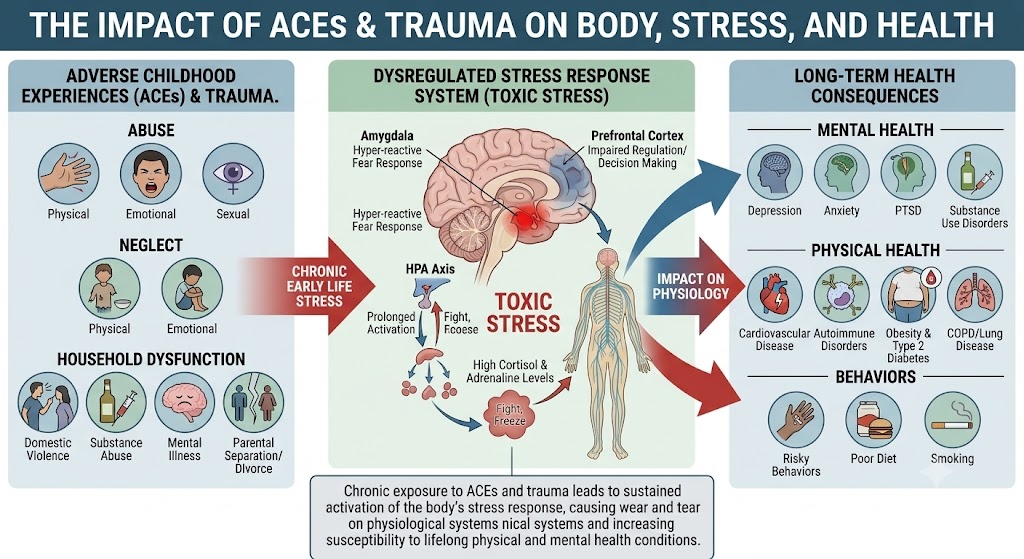
How childhood trauma shifts the brain from learning mode to survival mode, what that means for your teen's behavior and learning, and how therapy can help change it back.
Why your teen's headaches, stomachaches, and fatigue may be caused by toxic stress from trauma. How ACEs affect the body and what helps.
When defiance, withdrawal, shutdown, or people-pleasing are actually trauma survival responses. How to recognize and respond to trauma-driven behavior in teens.
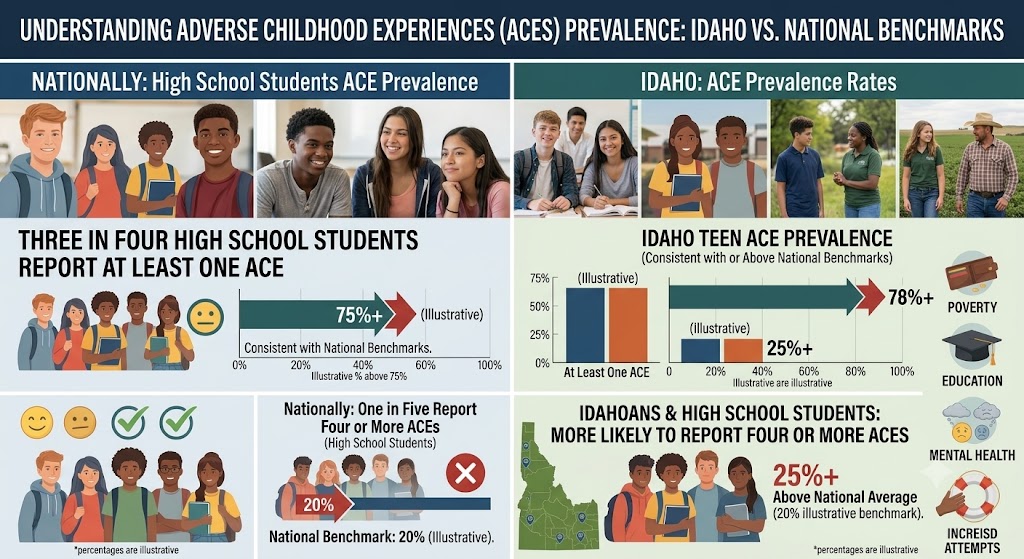
Idaho's ACE rates exceed the national average. What the data shows, what it means for Idaho families, and where to find help. From Idaho Youth Ranch.
Ten phrases Idaho Youth Ranch clinicians return to with teens, why specificity makes them land, and which common parental phrases actually undermine connection.
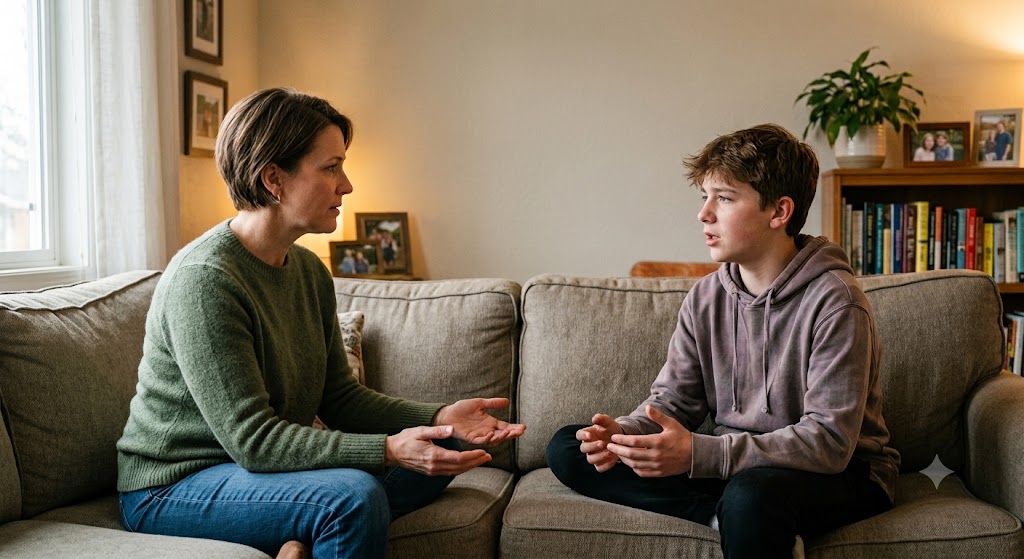
Why teens go quiet, what doesn't work, and how to invite conversation without pushing them further away. A parent's guide from Idaho Youth Ranch.
A DBT skill for letting go of what you can't change, so you can respond to what's in front of you. From Idaho Youth Ranch.
Dr. Ross Greene's framework for solving recurring teen problems together. The premise, the three steps, common misunderstandings, and when to use it. From Idaho Youth Ranch.
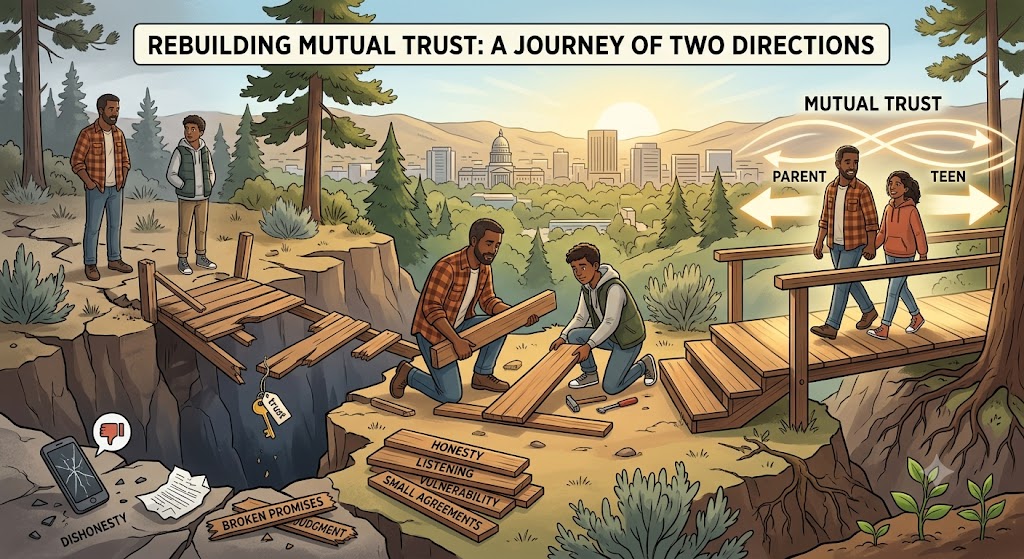
Why trust between parents and teens runs in both directions, how it breaks, and what the slow work of rebuilding actually looks like. A guide from Idaho Youth Ranch.
Why apologies matter more in adolescence than at any other age, what makes them land, and what to do when your teen rejects them. A guide from Idaho Youth Ranch.
Why active listening is harder than it looks, what it actually requires, and how to listen so your teen will keep talking. A guide from Idaho Youth Ranch.
If your child turns to screens when stressed, anxious, or overwhelmed, there's a reason. Learn why kids use screens to cope — and how to respond without escalating conflict.
Social media puts your child's self-worth in constant comparison with curated, filtered versions of other people's lives. Learn why it affects them even when they know it's not real — and what actually helps.
If your child has been involved in sexting — sending, receiving, or sharing — here's what it means, what the legal risks are, and how to respond in a way that actually helps.
When limits, arguments, and taking the phone away haven't worked, something different is needed. Learn the difference between heavy use and compulsive use — and what actually helps.
Social media affects preteens differently than teens. Learn the risks, the warning signs, and how to set boundaries that actually work for kids ages 9–13 — without shutting them out.
More than half of teens have experienced cyberbullying. Learn what it looks like, how to respond, when to involve the school, and when your child needs professional support.
Why would a teen hurt themselves on purpose? The five functions of self-harm explained for parents — with guidance on what each means for treatment.
How to recognize the physical, behavioral, and emotional signs of teen self-harm — including how teens conceal it. Guidance for parents from Idaho Youth Ranch.
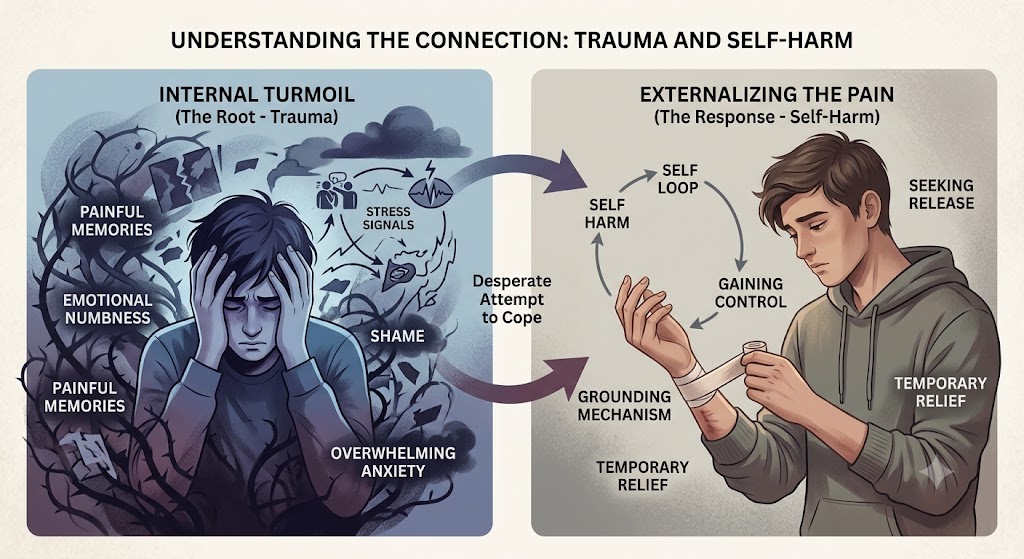
How trauma drives teen self-harm through numbness, shame, and loss of control. Why treating the trauma is essential for lasting recovery. A guide for parents.
What to say, what to avoid, and how to build a safety plan when your teen is self-harming. Practical guidance for parents from Idaho Youth Ranch.
How DBT works for teen self-harm, what the evidence says, and what your family can expect from treatment. A parent's guide from Idaho Youth Ranch.
Practical alternatives to self-harm organized by the need they address: emotional release, numbness, self-punishment, control, and communication. For parents and teens.
Is your child struggling in school and you're not sure why? This guide explains the 7 most common causes — from anxiety to learning differences — and what to do about each.
What to say to a struggling child, how to contact teachers, and how to prepare for school meetings. Practical scripts and communication strategies for parents.
Is your child overwhelmed by school stress or showing signs of academic burnout? Learn the difference, what drives it, and what parents can do. Idaho Youth Ranch.
Is your child refusing to go to school or missing too many days? Learn the difference between school refusal and truancy, what drives it, and how to help. Idaho Youth Ranch.
ADHD, dyslexia, and learning differences can cause school struggles that look like laziness or anxiety. Learn how to recognize them, request evaluation, and get the right support.
Understand IEPs, 504 plans, and school evaluation rights in Idaho. Step-by-step guide for parents, including timelines, parent rights, and what to do when the school says no.
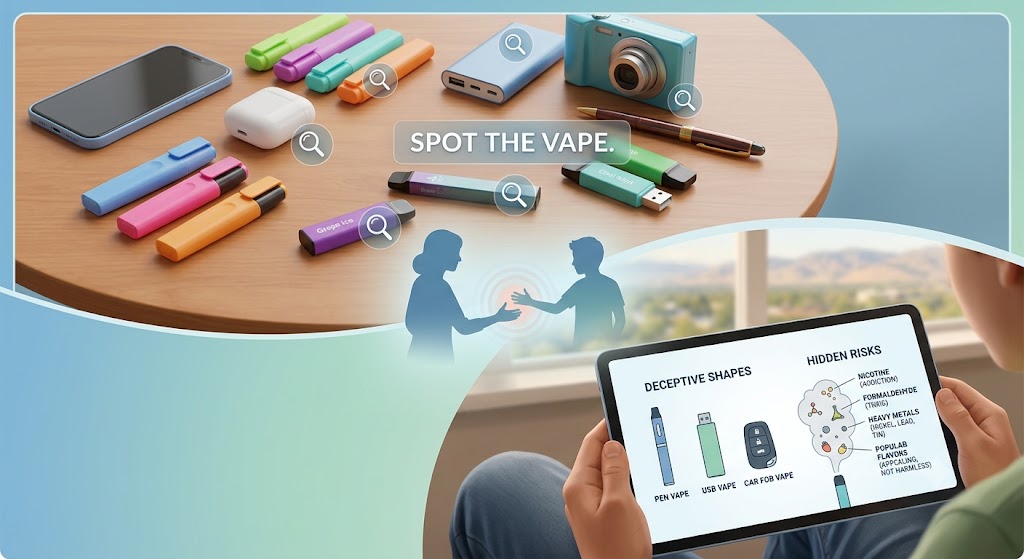
Is your teen vaping? Learn what modern vapes contain, signs to watch for, the nicotine vs. THC distinction, quitting concerns, and when vaping may signal something deeper.
What to do if your teen is sexting, being sextorted, or in a risky online relationship. Learn the four situations, NCMEC Take It Down, FBI reporting, and Idaho law context.
Is your teen vaping, drinking, scrolling, or taking risks to cope? Learn what teen self-medication means, common signs, why "just stop" fails, and when therapy may help.
Scripts for talking to your teen about drugs, vaping, sexting, peer pressure, and risky behavior. Learn what to say, what not to say, and how to repair a hard conversation.
Worried your teen's friends are a bad influence? Learn the four peer dynamics behind risky behavior, when to set limits, why banning friends often backfires, and what helps.
Just found a vape, alcohol, pills, or drugs in your teen's room? Step-by-step guide for the first 24 hours: how to talk to them, what to avoid, and when to seek help.
Teen coping skills for anxiety, stress, anger, sleep problems, loneliness, and peer pressure. Learn what teens can do instead of vaping, drinking, shutting down, or hiding online.
Learn the difference between boundaries, consequences, and punishment for teens, including vaping, drinking, curfew, lying, and when discipline struggles may need therapy.
Teen resilience after loss is not moving on. Learn what grief integration, continuing bonds, anniversaries, and long-term healing can look like.
Moves, divorce, breakups, school changes, and health diagnoses can bring real teen grief. Learn what helps and when to seek support.
Practical ways to support a grieving teen after a death or loss: what to say, when to give space, handling anger and anniversaries, and when to seek help.
Blended-family integration, step-parent relationships, and adjusting to a move take longer than parents expect. A practical guide to the longer work — with timelines, what to expect, and when to seek support.
Learn the signs of parentification in teens, including emotional and instrumental parentification, why it happens, long-term effects, and how families can repair the pattern.
How parents can help teens adjust to divorce or separation — the first six months, daily routines, accepting feelings, and when to seek more support.
Scripts and language for telling your teen about divorce, remarriage, a move, or other family changes — the announcement and the questions that come after.
Parent burnout and caregiver stress can affect the whole family. Learn how to care for yourself, lean on adults instead of your teen, and know when struggle becomes crisis.
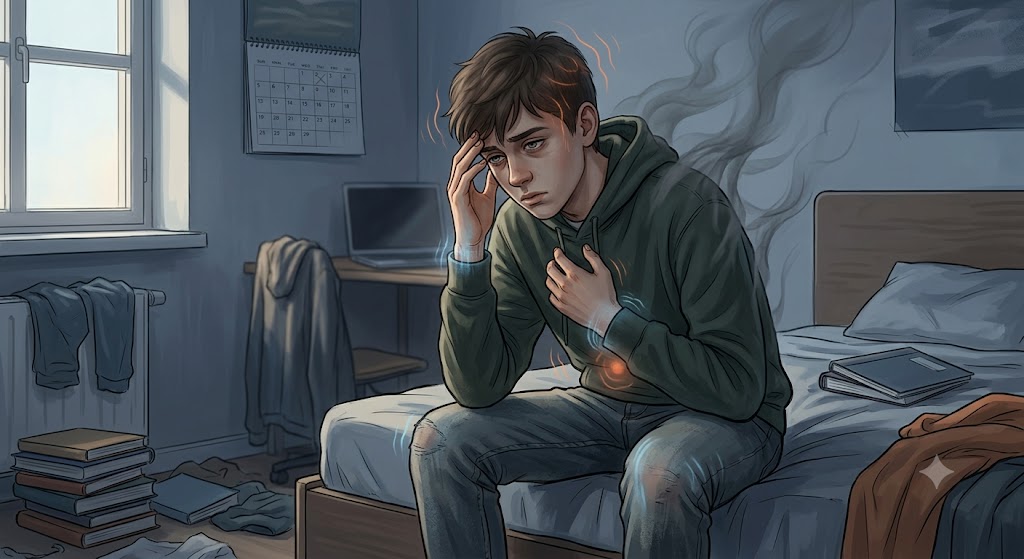
Teen depression can cause headaches, stomachaches, fatigue, and body aches with no medical explanation. Learn why and when to seek a mental health evaluation.
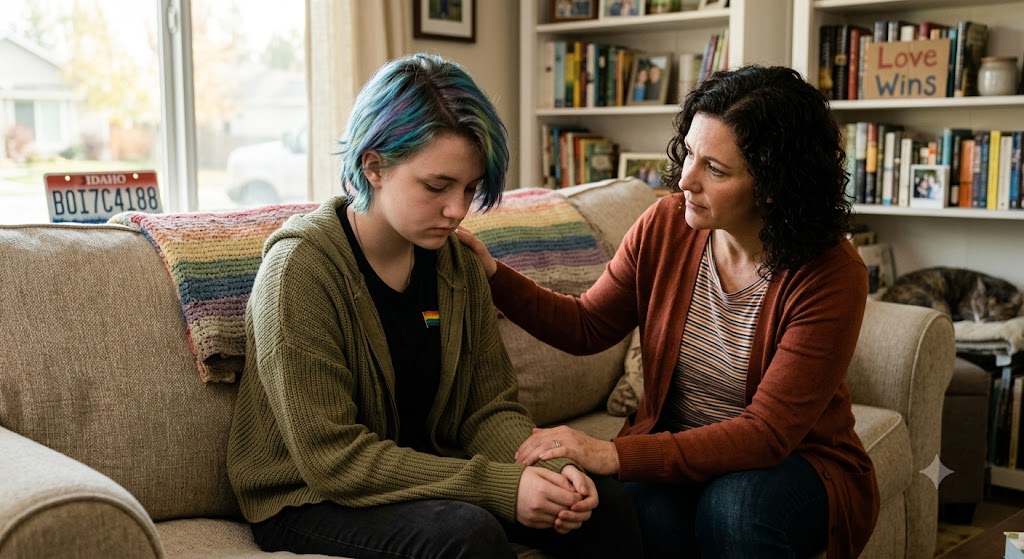
53% of LGBTQ+ youth report depression symptoms. Learn why, how to recognize the signs, and how family acceptance can make a life-saving difference.
Some depressed teens still get good grades and appear fine. Learn the signs of high-functioning depression, why it's dangerous, and when to seek help.
Teen depression doesn't always look like sadness. Learn the hidden signs parents miss — irritability, physical complaints, and more — and when to seek help.
Depression is the strongest risk factor for teen suicide. Learn the warning signs, how to talk to your teen, and how treatment prevents crisis.
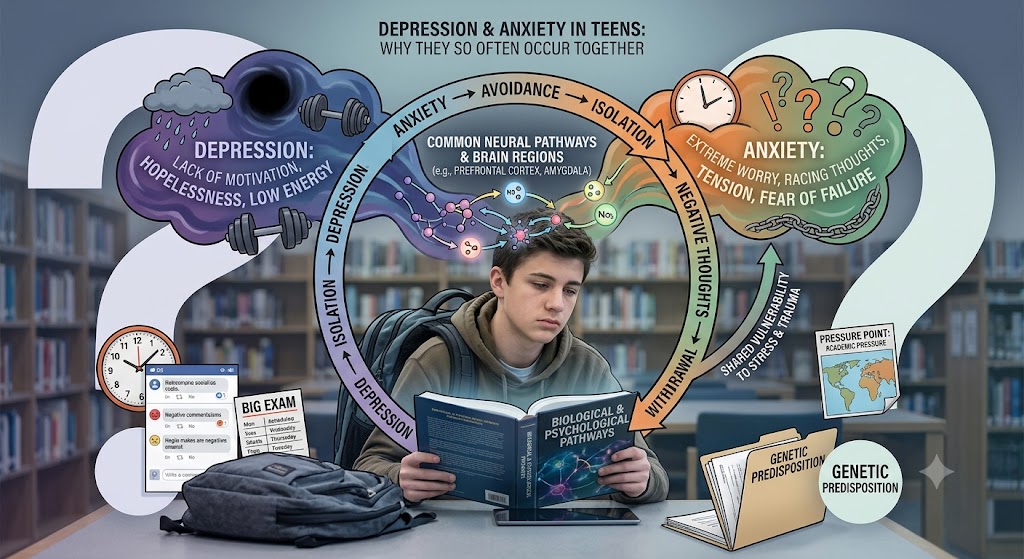
60–70% of teens with depression also have anxiety. Learn why these conditions co-occur, how to spot the overlap, and why treating both matters.
Teen anger may be depression in disguise. Learn why irritability is the most missed depression symptom, how to tell anger from defiance, and when to seek help.
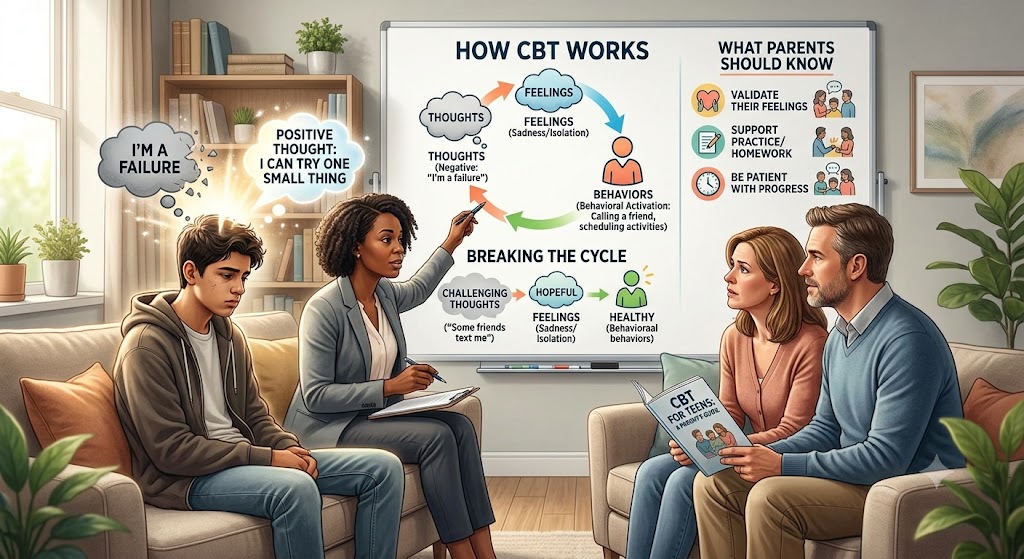
Learn how cognitive behavioral therapy helps teens overcome depression. What CBT involves, how long it takes, and what parents can do to support the process.
How to know when defiance needs professional help: safety concerns, strategies that fail, school impact, and parent burnout. What to expect from a comprehensive evaluation.
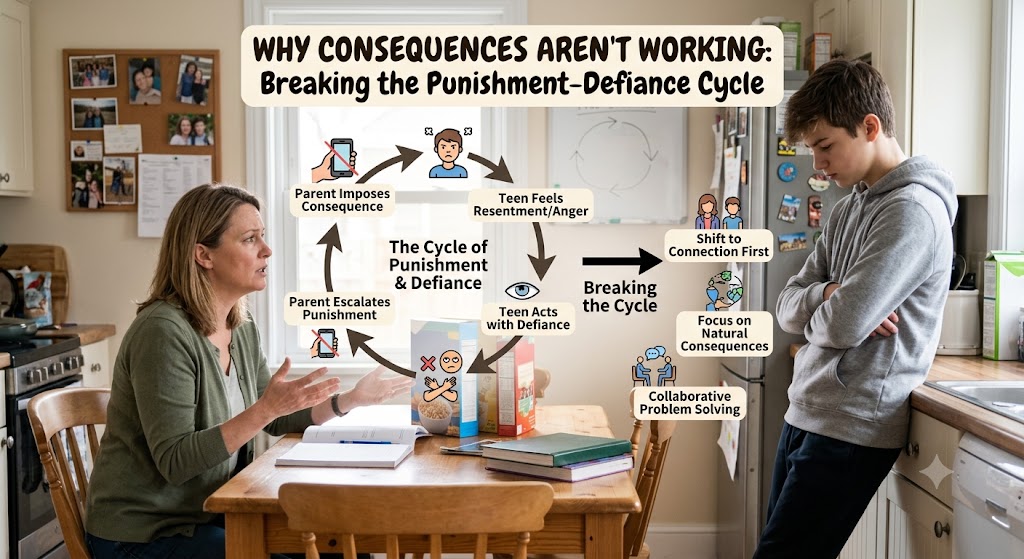
When consequences don't change defiant behavior, the problem isn't your parenting. It's information. Why the punishment model fails and what to do instead.
How to tell the difference between normal child defiance and behavior that signals something deeper. Five sorting questions and age-specific guidance from Idaho Youth Ranch.
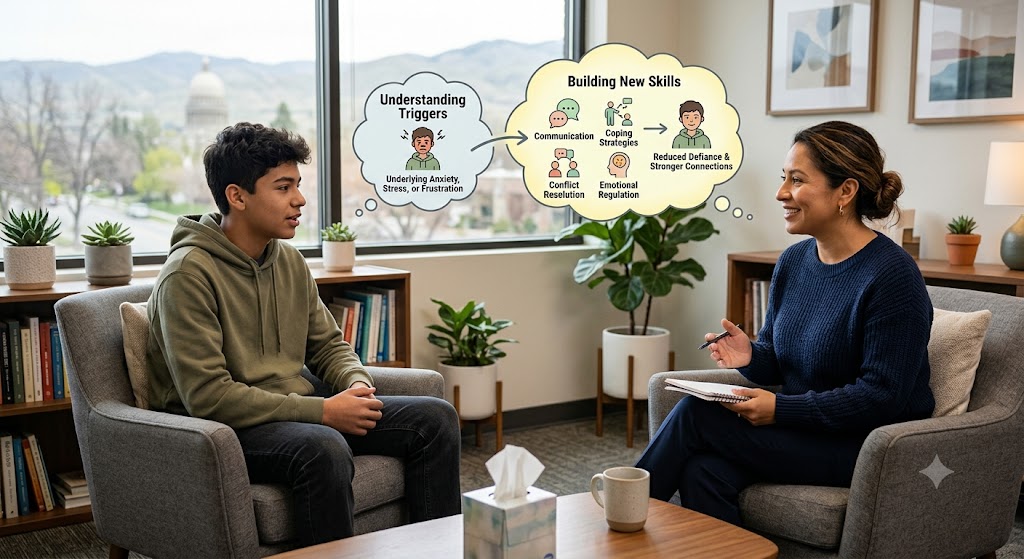
The evidence-based therapies that change defiant behavior: parent coaching, family therapy, CBT, and treating underlying conditions. What to expect and your role as a parent.
When consequences don't work, the defiance may be a symptom, not the problem. 8 hidden causes of youth defiance — from ADHD to anxiety to trauma — and what to do about each.
What to say, what to avoid, and how to break the power struggle cycle with a defiant child. Three-phase approach: before, during, and after conflict.
Six common phrases that quietly suppress teen self-esteem, what to say instead, and how to repair the conversation when you've already said the wrong thing. From Idaho Youth Ranch.
Kristin Neff's three-component framework explained for parents. Why self-compassion works better than self-esteem for struggling teens, and how to teach it. From Idaho Youth Ranch.
Why perfectionism rarely looks the way parents expect, how it connects to anxiety, depression, and eating disorders, and what actually helps. From Idaho Youth Ranch.
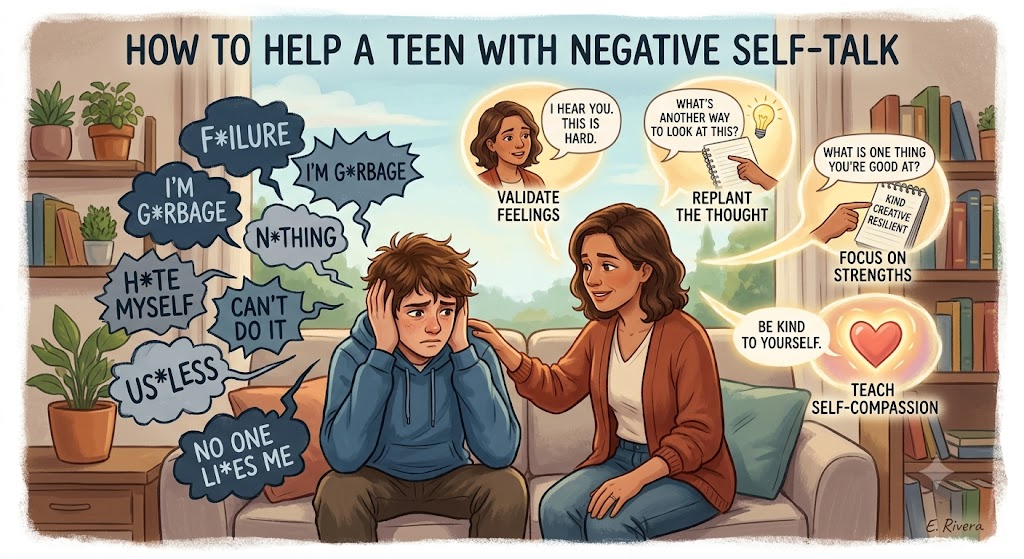
Why arguing with your teen's negative thoughts makes it worse, and what works instead. Scripts and strategies from Idaho Youth Ranch.
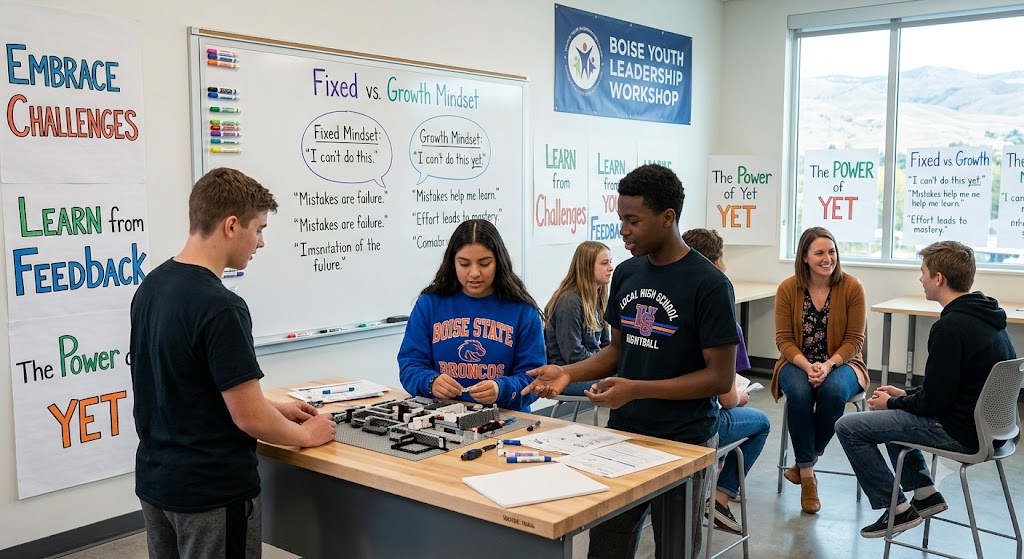
Carol Dweck's growth mindset framework explained for parents. The power of yet, how to praise effort, and when growth mindset is not the answer. From Idaho Youth Ranch.
Why authentic confidence comes from competence and contribution, not from praise. A practical guide for parents from Idaho Youth Ranch.
How to support healthy body image in your teen, when concerns shade into something more, eating disorder warning signs, and how to get the right help. From Idaho Youth Ranch.
A practical step-by-step guide for parents dealing with school bullying. Includes a sample email, meeting checklist, Idaho law summary, and escalation path.
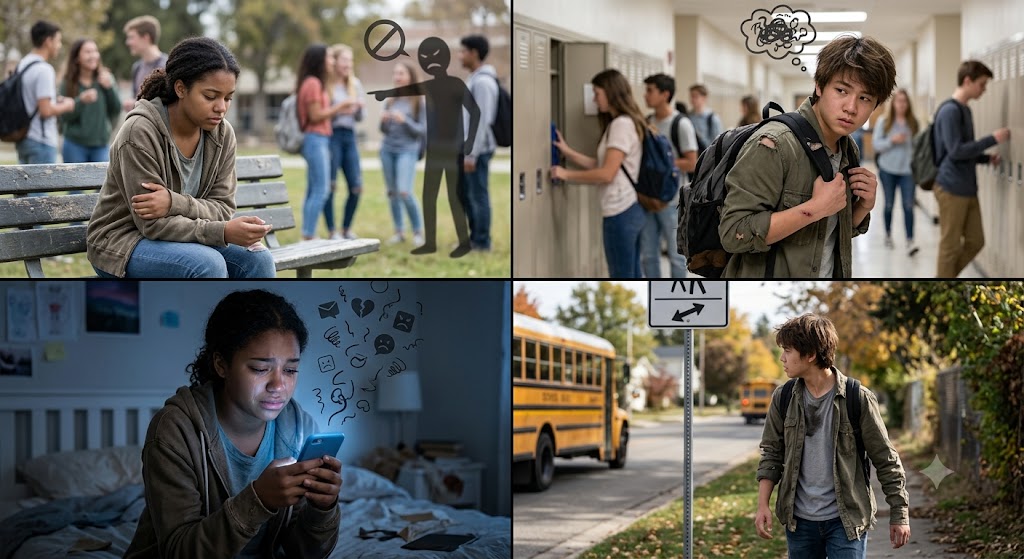
Behavioral, emotional, physical, and digital signs your teen may be experiencing bullying. Practical guidance for parents on what to watch for and what to do next.
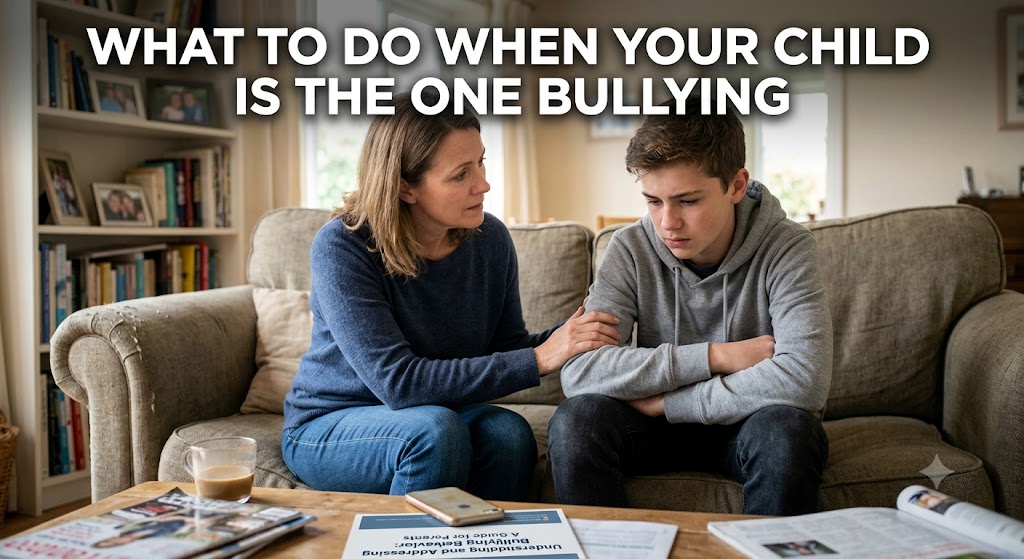
Discovering your teen bullies others is painful. Learn what to do first, how to help them make things right, why teens bully, and when to seek professional support.
Learn how bullying impacts teen mental health — from everyday signs parents can see at home to when it's time to seek therapy. Idaho-specific data and practical guidance.
Learn how cyberbullying works, what to do in the first 24 hours, when it becomes a safety issue, and how to protect your teen. Practical guidance for Idaho parents.
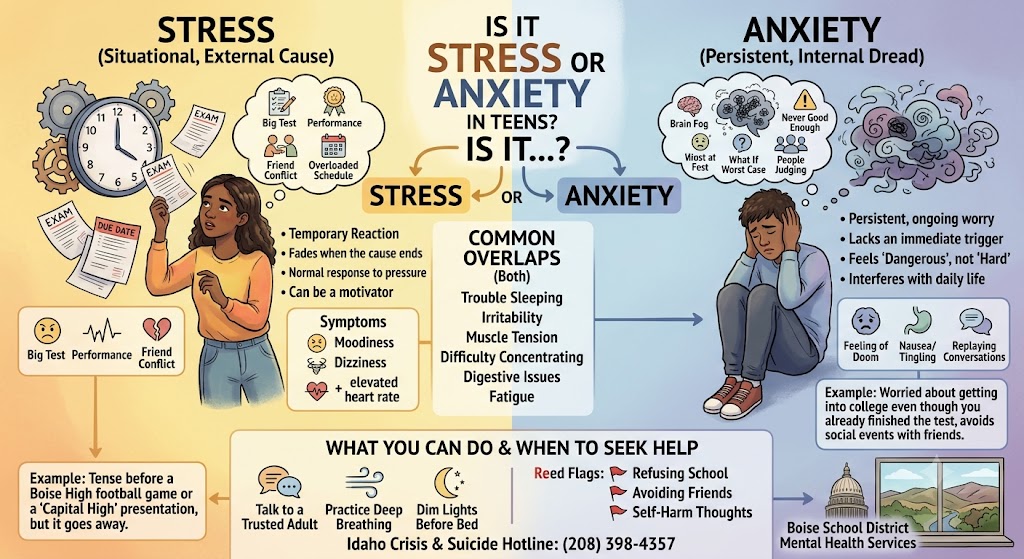
Is your teen stressed or anxious? Learn the key differences, warning signs, and when parents should seek help.
Social anxiety affects 9% of teens and is more than shyness. Learn the signs, the avoidance spiral, and how parents can help without pushing too hard.
Teen anxiety often shows up as stomachaches, headaches, nausea, chest tightness, or dizziness. Learn how to tell when symptoms may be anxiety and when to seek help.
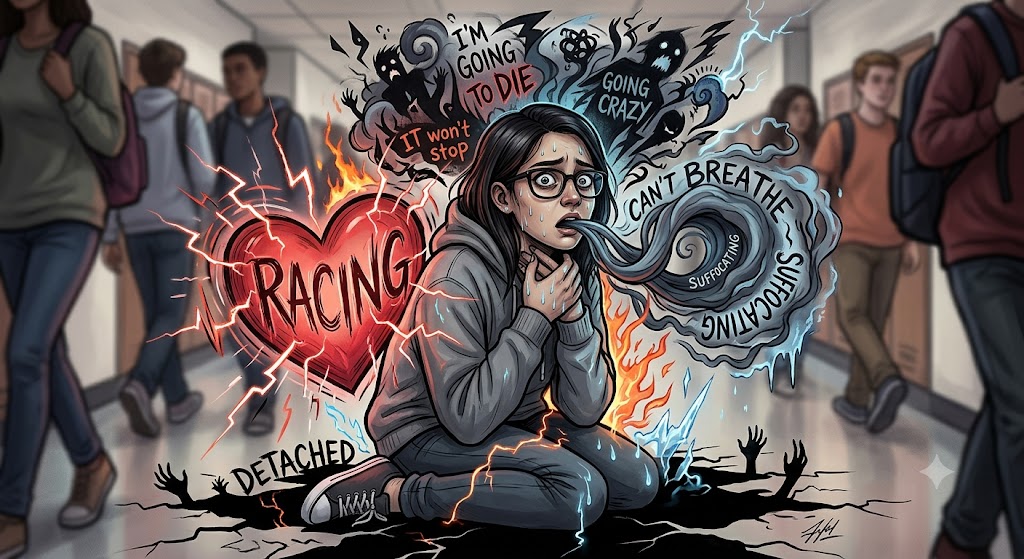
Panic attacks in teens can feel like a medical emergency. Learn the symptoms, why they happen, what to do in the moment, and what to say after. Includes breathing technique and parent scripts.
Learn evidence-based strategies to help your anxious teen — including common mistakes that make anxiety worse and when to seek professional help.
Your teen's anger may have a hidden cause: depression, ADHD, sleep deprivation, trauma, grief, or family patterns. Learn what to look for and when to seek help.
13 warning signs that your teen's anger needs professional help — from violence and property destruction to school failure and isolation. Learn when to act.
How to tell the difference between normal teen anger and anger that signals something deeper. Five sorting questions and clear guidance from Idaho Youth Ranch.
Chronic teen anger often signals a mental health condition. Learn how anxiety, trauma, ADHD, bipolar, DMDD, and OCD each present as anger — and what to do next.
Practical de-escalation guide for parents: what to do during a teen anger outburst, what to avoid, and how to have the follow-up conversation. From Idaho Youth Ranch.