Equine Therapy

Healing That Happens Outdoors

Equine-assisted therapy for youth and families — where horses help open doors that words sometimes can't.

Sometimes healing doesn't begin in a therapy room. At Idaho Youth Ranch, we've seen how time spent with horses — gentle, honest, non-judgmental animals — can spark emotional breakthroughs that nothing else could. Whether your child feels stuck, disconnected, or overwhelmed, our Equine-Assisted Therapy program offers a different path forward. It's real, clinically supported therapy — just not the kind you might expect.

What Is Equine Therapy?

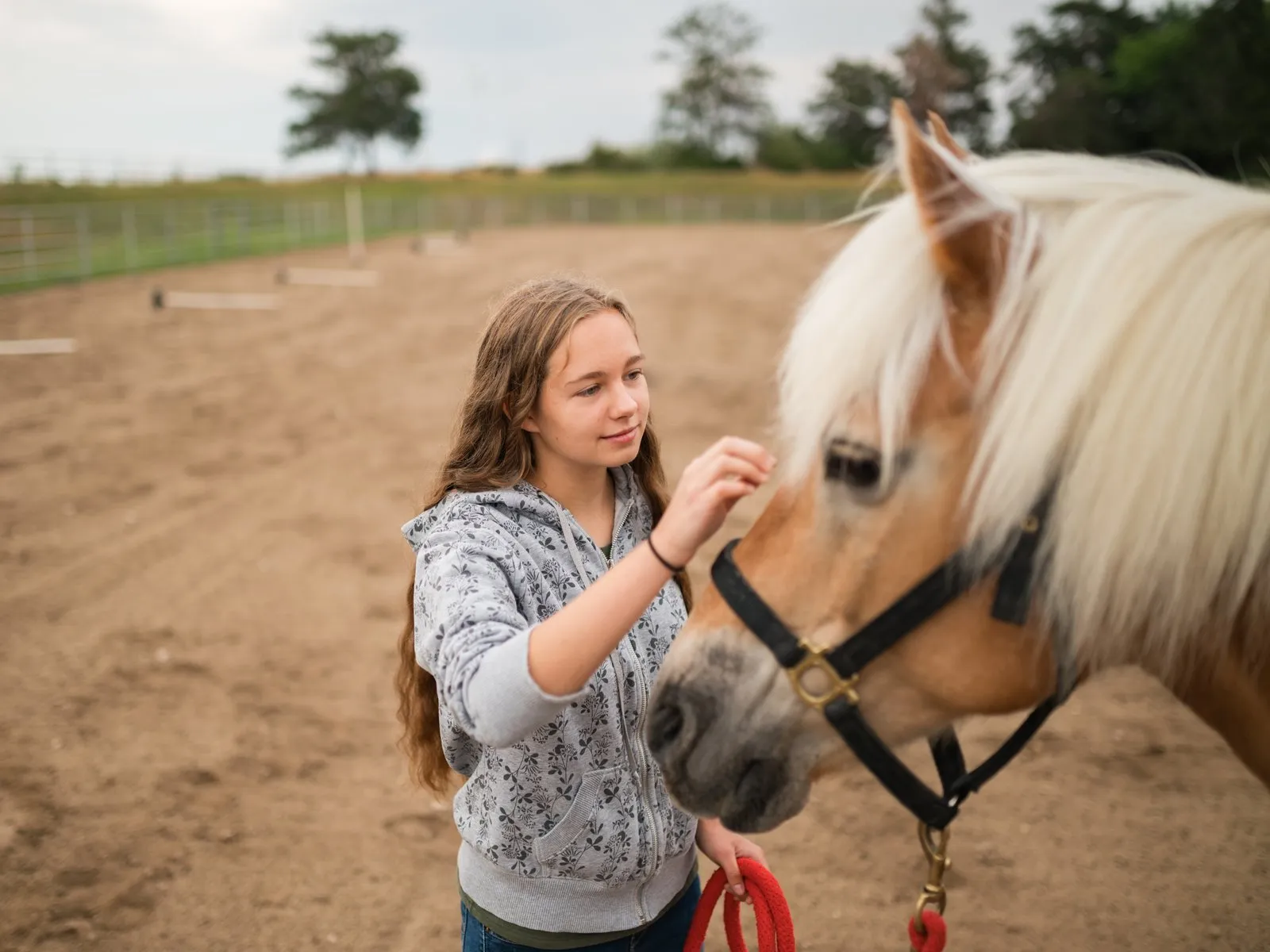
Equine-assisted therapy uses interactions with horses as part of the therapeutic process — but it's not horseback riding. Clients never ride, groom, or feed the horses. Instead, they interact with horses in their natural habitat, guided by a licensed therapist and a certified equine specialist working together. What happens in those moments — the way a horse responds, what emotions surface, what metaphors emerge — becomes the material of the session. Sessions typically last one hour and meet once per week. Most clients benefit from 12–15 sessions individually; group formats generally run about ten weeks. It may take a few sessions to feel natural — that's expected and normal. For many young people who have struggled to connect with traditional talk therapy, equine therapy provides a way in.

Young woman gently touching a horse's face in an outdoor riding arena.

1 hour

Session Length

12–15 sessions

Typical Duration

Caldwell & Coeur d'Alene

Locations

Who We Help

Equine therapy is especially powerful for young people who feel disconnected, have difficulty expressing emotions verbally, or haven't responded to traditional therapy approaches. If your child has tried talking it out and it hasn't clicked — this is a different door.

We accept referrals from schools, pediatricians, therapists, and other care providers. Families may also self-refer.

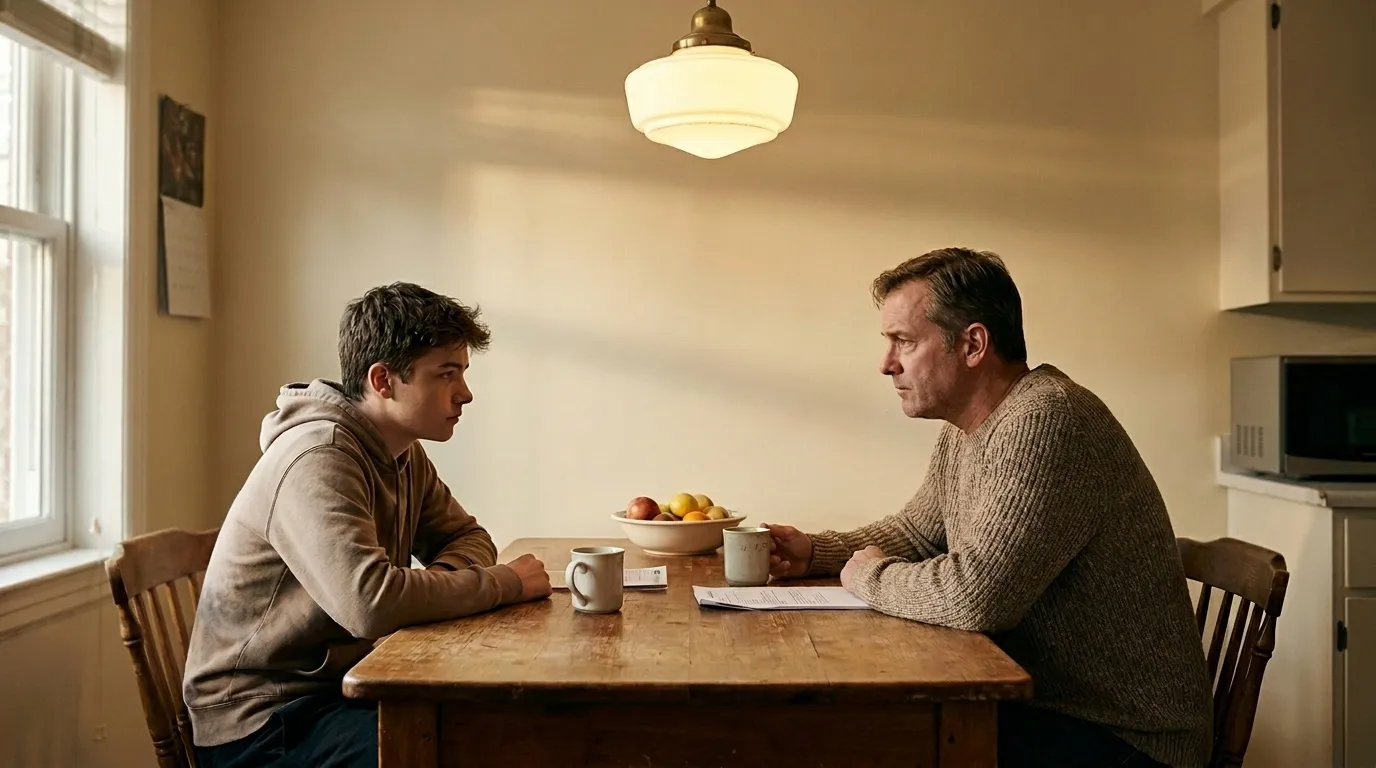
Teen boy and man sitting at a wooden table facing each other in a kitchen with cups and fruit bowl.

From recognition to action:
 getting your child into care

If your child is expressing thoughts of self-harm or suicide, please don’t wait to finish this guide.

White phone handset icon with a small badge, representing calling for medical or hospital support.

If your child is in immediate danger

If you believe your child may be in immediate danger or experiencing a mental health crisis, please seek help right away.

Call 988 to reach the Suicide & Crisis Lifeline, or dial 911 for emergency assistance.

Our Process

What to Expect

Equine-Assisted Psychotherapy can feel unfamiliar before you've tried it. Here's what actually happens.

You reach out

01

It starts with a simple conversation. You reach out to Idaho Youth Ranch, share a little about what is going on, and ask whatever questions you have. There is nothing to prepare and no horse experience needed. This first step is just about figuring out whether Equine-Assisted Psychotherapy is the right fit.

We complete an intake

02

Before any time with the horses, we talk with you and your family to understand your history, your strengths, and what you want to work on. This is a standard mental health intake led by a licensed therapist. Setting clear goals up front gives the work in the arena direction from day one..

Your First Session

03

Your first visit to the ranch is your first session. You will be outdoors in an arena or open pasture, not an office, and you will meet your team: a licensed mental health professional, an equine specialist, and the horses. You stay on the ground the whole time, and no one will ask you to ride. Much of this first session is simply getting comfortable being around the horses.

Sessions build

04

From there, each session centers on hands-on activities with the horses on the ground, like guiding one through a task or noticing how it responds to you. Your team will not hand you the "right" answer; they give you room to try things your own way, then help you make sense of what came up. Horses react honestly to what is happening in the moment, which often surfaces feelings and patterns that are hard to put into words.

Progress is tracked, goals are adjusted

Your therapist will regularly check in on goals and progress. Family involvement is encouraged — ask your therapist how parents and caregivers can be part of the process.

04

Sessions

Sessions meet once per week. Group formats run approximately ten weeks.

Each session is about one hour.

Our Approach

At IYR, we believe healing happens when young people feel safe enough to be themselves — and horses are uniquely suited to create that environment. They mirror emotions without judgment. They respond to authenticity in a way that no human can replicate. Our licensed therapists and certified equine specialists work together in every session, blending clinical expertise with the natural therapeutic power of the horse-human relationship.

Trauma-Informed Care

Many of the young people we work with carry experiences that shape how they see themselves and the world. Our entire team is trained in trauma-informed principles — meaning we understand that behaviors are often rooted in pain, and we respond with curiosity rather than judgment.

Collaborative & Integrative Therapy

Equine therapy at IYR is fully integrative — it can complement individual or family counseling. The licensed therapist facilitates the clinical work while the equine specialist manages the animal interaction, ensuring both components are held with expertise.

Experiential Therapy

Rather than analyzing the past through conversation alone, equine therapy allows clients to learn about themselves through direct experience — what they do, feel, and notice in the moment with the horse becomes the therapeutic material.

Families are encouraged to stay involved throughout the process. Ask your therapist about how caregivers can support progress between sessions and when family sessions may be appropriate.

Gold seal with text The Joint Commission National Quality Approval and a geometric design in the center.

Idaho Youth Ranch has earned The Joint Commission's Gold Seal of Approval® for its outpatient counseling & therapy centers — including equine therapy — a nationally recognized symbol of quality and commitment to safe patient care.

Find the Right Location for Your Family

IYR's equine therapy program operates at two dedicated sites — one in the Treasure Valley and one in North Idaho. Both are working rural settings designed to support the healing process.

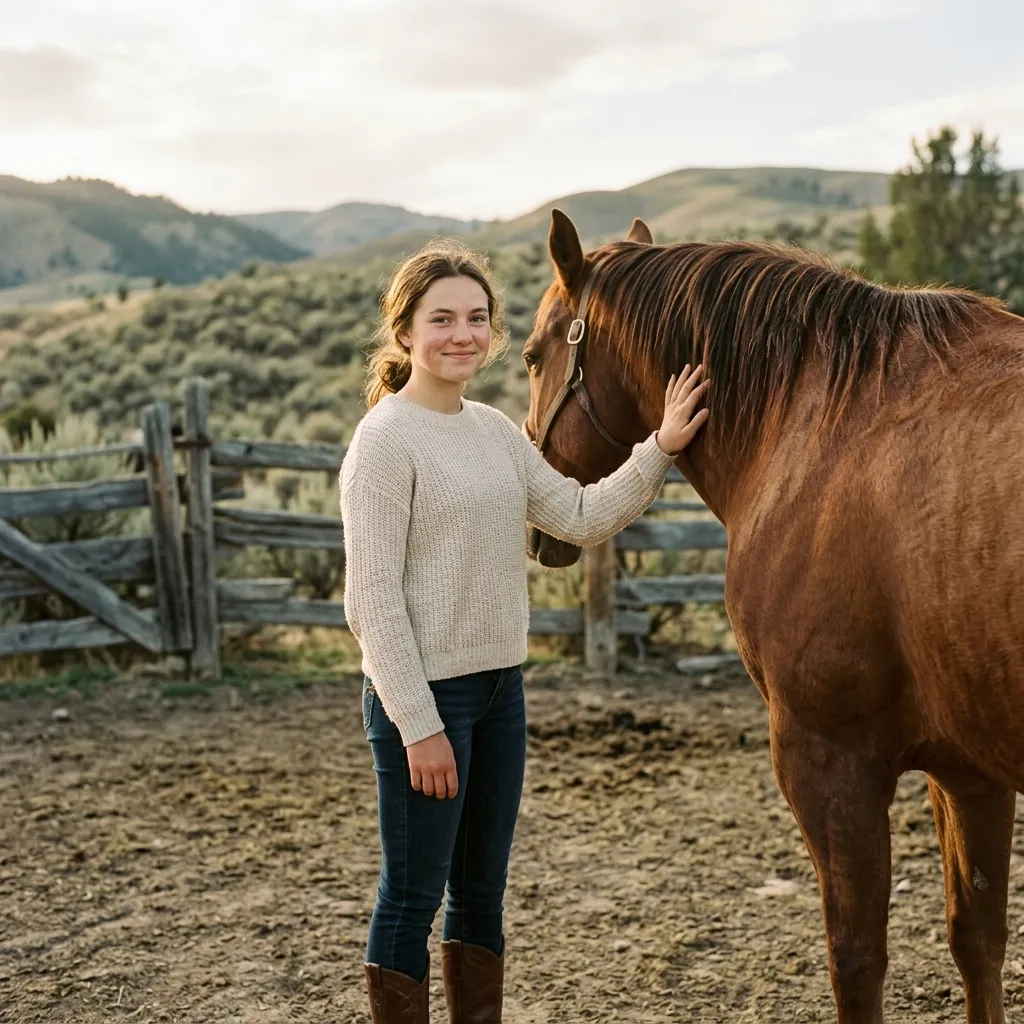
Young woman in sweater petting a brown horse outdoors near a wooden fence with hills in background.

Caldwell (Treasure Valley)

258-acre rural campus — Hands of Promise

learn more
Mother and son sitting on a white couch, smiling and talking while using a laptop together.

Coeur d’Alene

Minutes from downtown Coeur d'Alene, The Stables at Mica Meadows houses our North Idaho Equine Program

learn more

Worried about cost?

We believe cost should never be the reason ayoung person doesn’t get the support they need. We work with families to makecare as accessible as possible.

We accept Idaho Medicaid.

We are in-network with many private insuranceproviders. Call us to verify your coverage before your first appointment.

Ask About Insurance

No referral is required —  families can reach out to us directly. We also accept referrals from schools,  pediatricians, courts, and other community providers.

Frequently asked questions

Common questions

parents may have

Answers to the questions we hear most often:

What is Equine-Assisted Psychotherapy?

Blue plus sign icon with rounded edges on a white background.

It is mental health therapy that involves horses, led by a licensed therapist. Your child works with horses on the ground alongside a small team, and what happens between them becomes the material for therapy. It is a structured, recognized approach to treatment, not a riding lesson or a petting visit.

Is this real therapy, or more of an activity?
Blue plus sign icon with rounded edges on a white background.

It is real therapy. Sessions are led by a licensed therapist, tied to your child's treatment goals, and grounded in evidence-based practice. The horses are not a recreational add-on; they give honest, in-the-moment feedback that often surfaces feelings and patterns that are hard to reach with talk alone. That makes it a strong fit for young people who find sitting in an office and talking difficult.

Does my child ride the horses?
Blue plus sign icon with rounded edges on a white background.

Lorem ipsum dolor sit amet, consectetur adipiscing elit. Suspendisse varius enim in eros elementum tristique. Duis cursus, mi quis viverra ornare, eros dolor interdum nulla, ut commodo diam libero vitae erat. Aenean faucibus nibh et justo cursus id rutrum lorem imperdiet. Nunc ut sem vitae risus tristique posuere.

What if my child is nervous around horses?
Blue plus sign icon with rounded edges on a white background.

That is common, and it is welcome. Feeling nervous is something the team works with, not around. Horses are large and honest, and learning to be near one at your own pace can itself build confidence and calm. No one will push your child to do more than they are ready for.

Who runs the sessions?
Blue plus sign icon with rounded edges on a white background.

Every session includes a team: a licensed mental health professional, an equine specialist, and the horses. The therapist guides the clinical work while the equine specialist focuses on the horses and the safety of the space. Rather than telling your child what to do, the team gives them room to work things out, then helps them make sense of what came up.

Is it safe?
Blue plus sign icon with rounded edges on a white background.

Safety is built into how sessions run. Because the work is ground-based with no riding, the risk of injury is lower, and your child is always supported by two professionals: a licensed therapist and an equine specialist who reads the horses and manages the space. The horses are selected and cared for as partners in the work.

What does it help with?
Blue plus sign icon with rounded edges on a white background.

Equine-Assisted Psychotherapy can help with anxiety, depression, trauma, grief, anger, low confidence, and difficulty with trust or relationships. It is often especially helpful for young people who have not connected with traditional talk therapy.

What should my child wear or bring?
Blue plus sign icon with rounded edges on a white background.

Sessions are in and indoor or outdoor arena and hands-on, so closed-toe shoes and weather-appropriate clothing that can get dirty work best.

What if my child has allergies?
Blue plus sign icon with rounded edges on a white background.

Let us know at intake if your child has allergies or asthma, and we will talk through what to expect and whether any adjustments help.

Other Ways We Can Help

Hays House

Safe, short-term emergency shelter for youth ages 9-17 in the Treasure Valley.

Outpatient Therapy

Individual and family therapy sessions in Boise, Coeur d'Alene, or virtually statewide.

Residential Care

Structured 24-hour support for youth who need a higher level of care

We’re Here When You’re Ready

Reaching out is the hardest part — and you’vealready done it by being here. When you contact us, a real person will respondto answer your questions, help you understand your options, and walk youthrough what to expect. No pressure, no commitment — just a conversation.