Therapist Careers at Idaho Youth Ranch
Therapy that lets you do your best work. Choose the setting that fits your clinical style (outpatient, residential, or equine-assisted therapy) and practice in a system built to support therapists, not burn them out. Idaho Youth Ranch employs licensed therapists across three distinct clinical environments. What they share is a commitment to evidence-based, relationship-centered care, reasonable caseloads, and a culture where clinical supervision is real, not a checkbox. If you hold an LMSW or LCSW and you’re looking for work that matches your skills to a mission that matters, one of these tracks may be the right fit.

Why therapists choose Idaho Youth Ranch
Fast reassurance before you dig into the details: this is the professional infrastructure every therapist track at Idaho Youth Ranch is built on.
Supervision and consultation, built in
Structured clinical supervision and peer consultation are built into your role, not optional and not self-directed. Interdisciplinary teams mean your clinical judgment shapes treatment.
Evidence-based, clinically flexible
Evidence-based modalities including TF-CBT, DBT, EMDR, and CBT, applied with clinical judgment, not scripted. Caseloads are designed for clinical depth, not throughput.
A culture that invests in you
Paid CEUs, paid training, and organizational support for licensure and specialization, inside a trauma-informed workplace culture that applies to how we treat our staff, not just our clients.
Find your setting
Three therapist tracks, three distinct clinical environments. Each card below is a doorway; the detail pages go deeper on the day-to-day, the team, and the requirements.

Outpatient Therapist
Community-based individual, group, and family therapy for youth and families across Idaho. Evidence-based therapy across a range of presentations, reasonable caseloads with clear clinical expectations, regular supervision, and paid CEUs. If you want consistent clinical structure and the organizational backing of a mission-driven nonprofit, without the isolation of private practice, outpatient may be your home.
Learn What It’s Like to Be an Outpatient Therapist →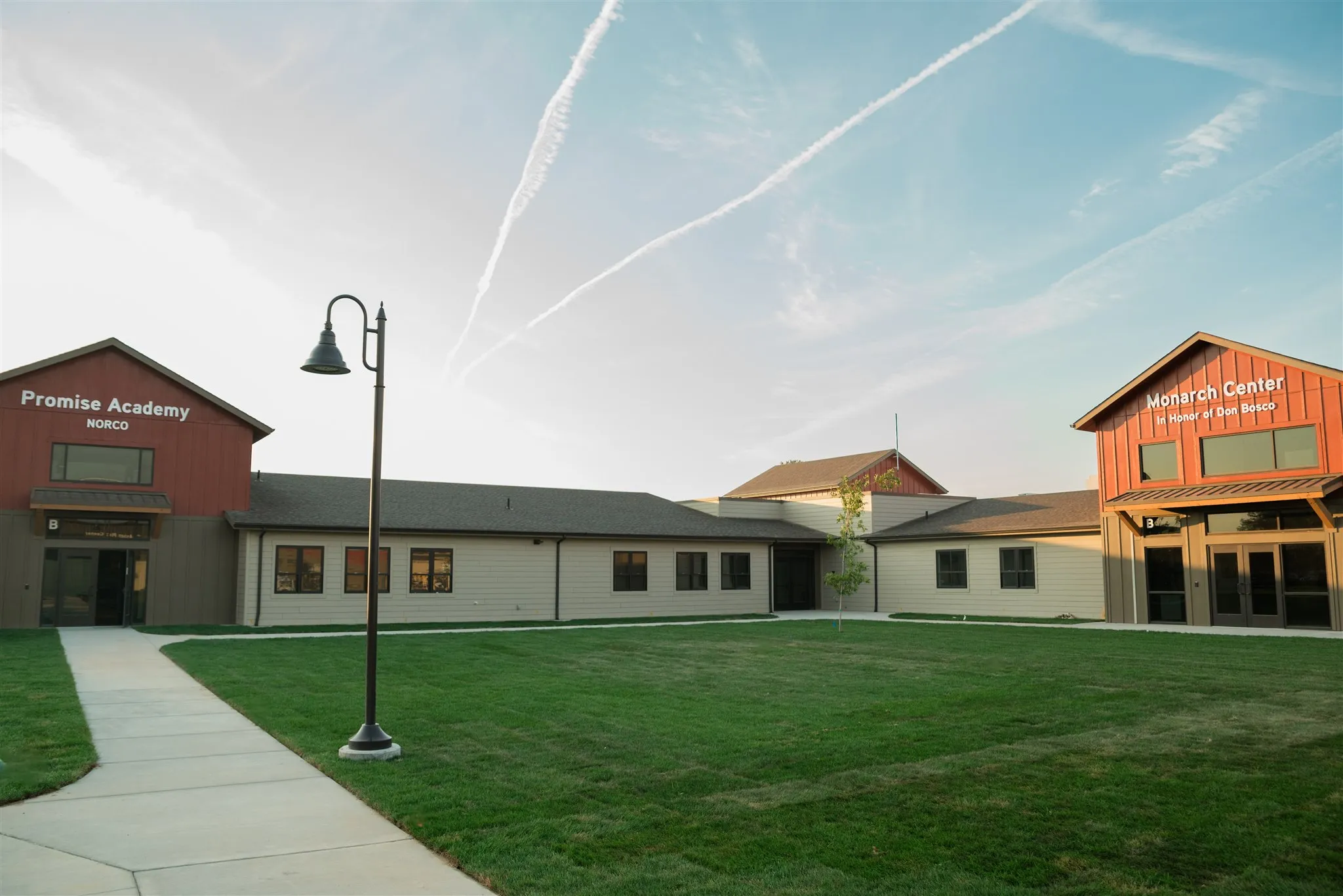
Residential Therapist
Intensive, team-based therapy for youth living at the Residential Center for Healing & Resilience, working alongside nurses, case managers, and residential care staff in a coordinated interdisciplinary environment. A note on sustainability: residential therapists maintain clinically manageable caseloads within structured treatment teams specifically designed to support sustainable practice. The work is demanding; the structure around you is built to make it sustainable.
Learn What It’s Like to Be a Residential Therapist →
Equine Therapist
Relationship-centered, experiential therapy through one of the few clinically integrated Equine-Assisted Psychotherapy settings in Idaho. EAGALA certification is required and provided as part of paid training if you’re new to the model; LMSW or LCSW licensure is required. Previous horse experience is helpful but not required, since trained equine specialists manage horse safety and handling alongside the clinical team.
Learn What It’s Like to Be an Equine Therapist →Not sure which setting fits you?
Predictable structure
If you want predictable structure and a consistent caseload, outpatient is likely your setting. These aren’t rigid rules, but they reflect what clinicians in each role tend to say about why they chose it.
Outpatient TherapistClinical depth and teamwork
If you want intensive clinical depth and interdisciplinary teamwork, residential is where that lives: real-time collaboration with nurses, case managers, and care staff around complex cases.
Residential TherapistExperiential and relationship-based
If you’re drawn to experiential, relationship-based approaches in a specialty setting, the Equine-Assisted Psychotherapy track offers a clinical environment few organizations can.
Equine TherapistStill deciding?
If you’re not sure yet, read the detail pages or talk with our clinical hiring team. Choosing the right setting matters, and we’re glad to help you think it through before you apply.
Talk with Our Hiring TeamRegardless of setting, here’s what you can count on
The three therapist tracks at Idaho Youth Ranch look different day to day. But the professional infrastructure around them is consistent. Wherever you land, this is what the experience of being a clinician here looks like.
Supervision That’s Worth Something
Regular clinical supervision is built into your role, not bolted on as an afterthought. You’ll have access to peer consultation and supervisors who understand the clinical realities of working with youth who have experienced trauma. If you’re working toward additional credentials or specialization, we’ll support that path.
Caseloads Designed for Clinical Depth
Every therapist track at Idaho Youth Ranch is structured with manageable caseloads. We’d rather you do excellent work with the right number of clients than adequate work with too many. Outpatient therapists carry 20–25 active clients. Residential and equine caseloads reflect the intensity of those settings.
A Trauma-Informed Team Culture
Idaho Youth Ranch’s trauma-informed principles apply to how we care for our staff, not just the youth we serve. That means we take boundaries seriously, design workflows with sustainability in mind, and maintain a culture that prioritizes learning over blame. Leadership is accessible, not just theoretical.
Paid Training & Continuing Education
Idaho Youth Ranch covers the cost of continuing education, including CEUs required for licensure maintenance. Role-specific training is also supported: equine therapists receive EAGALA certification as part of paid onboarding, and clinicians building skills in EMDR, DBT, or TF-CBT have organizational support to do so.
Benefits at Idaho Youth Ranch
Medical, dental, and vision insurance; paid time off and paid holidays; retirement plan with employer contribution (401(k) with 100% employer match up to 4%) paid training and continuing education, including CEUs; role-specific certification training (EAGALA paid for equine therapists); Employee Assistance Program (EAP); and eligibility as a Public Service Loan Forgiveness (PSLF) employer.
Licensure & Credentials
All therapist positions at Idaho Youth Ranch require an LMSW, LCSW, LPC, LCPC, LMFT or Psy D. with Idaho Licensure. For Pre-licensed candidates we have a limited number of roles available.
Clinical excellence at Idaho Youth Ranch
Idaho Youth Ranch’s clinical programs are built on a foundation of evidence-based practice, structured supervision, and a genuine commitment to outcomes. Here’s what that looks like in practice:
- Clinical supervisors with advanced training in trauma-informed care and youth behavioral health
- Primary modalities including TF-CBT, DBT-informed care, EMDR, and CBT, applied with clinical judgment across settings
- Structured treatment planning with regular review and measurable progress tracking
- Ongoing clinical consultation integrated into standard workflow, not reserved for crisis
- A residential program operating within a licensed behavioral health framework with clearly defined clinical standards
- An Equine-Assisted Psychotherapy program operating under EAGALA’s clinical model, one of the few fully integrated Equine-Assisted Psychotherapy programs in Idaho
Talk with a clinical hiring specialist
Choosing the right clinical setting matters, for your career, your clients, and your long-term sustainability. If you’d like to talk through which therapist role fits your experience and goals, our clinical hiring team is glad to help before you apply.
Explore each role in depth
Each track has a full detail page covering the day-to-day work, the team, the requirements, and what to expect.
Outpatient TherapistResidential TherapistEquine Therapist