Residential Therapist
Deep clinical work. A team built to sustain it.


Residential therapy at Idaho Youth Ranch is intensive, collaborative, and, by design, sustainable. You’ll work alongside a coordinated interdisciplinary team caring for youth at some of the hardest points of their lives. The work demands clinical depth. The structure around you is built to make sure you can keep showing up for it.
This isn’t a setting where you’re expected to absorb what your clients carry and somehow manage it on your own. It’s a setting where the team carries it together, with clinical supervision, peer consultation, and leadership that understands what residential work actually costs.
The work, honestly described
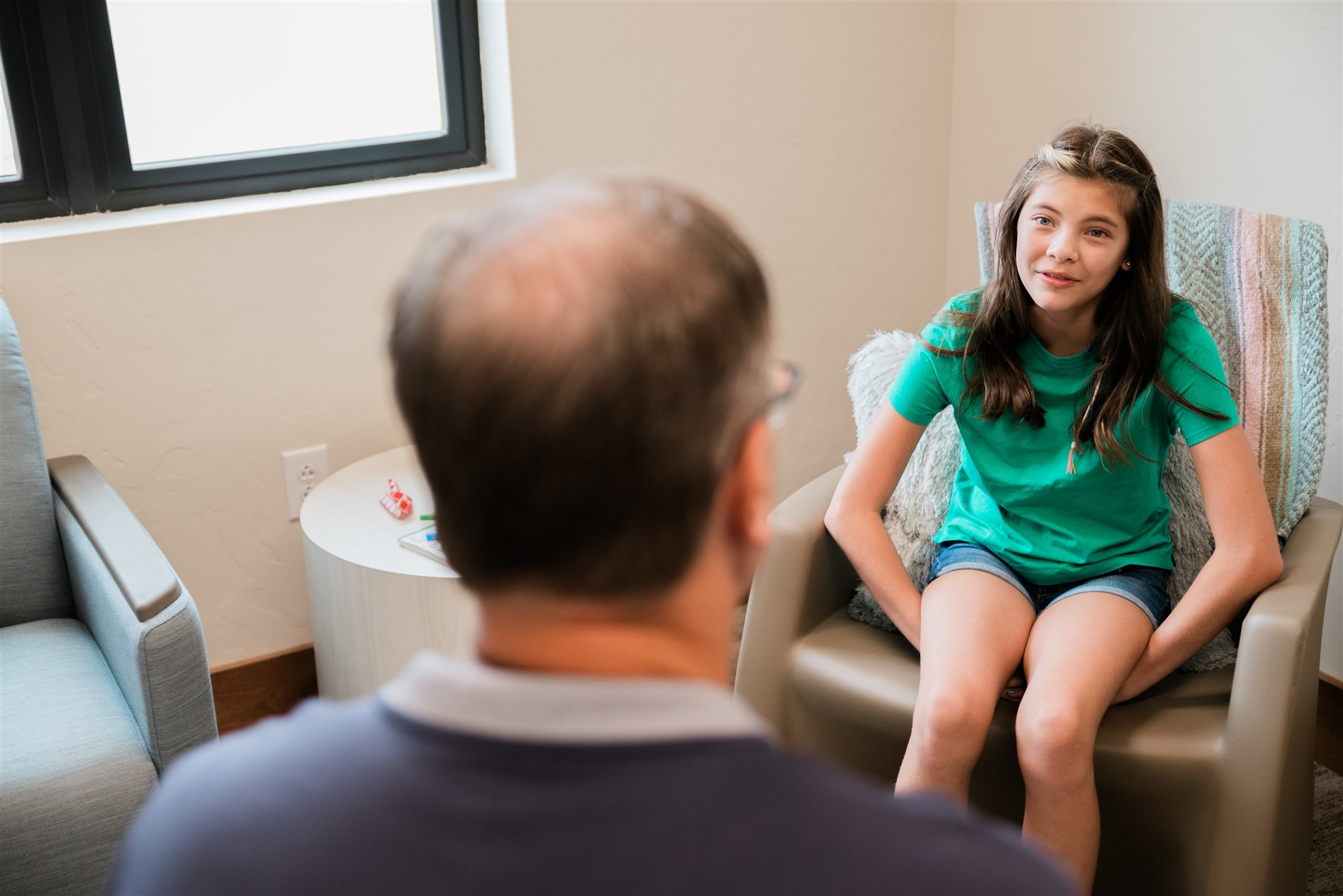
As a residential therapist at Idaho Youth Ranch, you provide individual, group, and family therapy to youth living at the Idaho Youth Ranch Residential Center for Healing and Resilience. Your clients are young people navigating complex trauma histories, mental health challenges, and behavioral health needs that require more than outpatient care can offer.
You’ll draw from evidence-based modalities including TF-CBT, DBT-informed approaches, EMDR, and CBT, applied with clinical judgment, adapted to where each youth is in their treatment, and informed by real-time collaboration with your team. You’re not following a script. You’re making clinical decisions alongside people who understand the population and trust your expertise.
Residential therapy is intensive work. Caseloads reflect that; they are structured to allow clinical depth, not optimized for throughput. And the treatment team around you exists precisely because this work shouldn’t be carried alone.
Start your next chapter
The Residential Center and Hays House are both hiring. Find your fit.
How we invest in your clinical growth
Residential work asks a lot of clinicians. Idaho Youth Ranch’s investment in support, supervision, and professional development is a direct response to that reality.
Regular Clinical Supervision
Supervision is scheduled and consistent, not something you have to request when you’re already overwhelmed. Supervisors have real experience in residential and trauma-informed care. Supervision is a space to work through clinical complexity, not just log hours.
Peer Consultation
Structured peer consultation is built into your workflow. Residential therapists consult with each other regularly on complex cases, milieu dynamics, and clinical decision-making. The culture expects it and makes space for it.
Paid Training & Continuing Education
Idaho Youth Ranch covers the cost of continuing education, including CEUs. Clinicians building expertise in TF-CBT, DBT, EMDR, or trauma-informed care have organizational support for that development, not just encouragement.
A Trauma-Informed Staff Culture
Idaho Youth Ranch’s trauma-informed approach extends to how we care for our clinical staff. That means vicarious trauma is acknowledged, not ignored. Burnout is treated as a systemic risk to manage, not a personal failure to overcome. Sustainability isn’t a value on a poster; it’s a design principle in how the program operates.
Licensure Support
For clinicians working toward advanced licensure or specialization, Idaho Youth Ranch provides the supervision structure and organizational backing to support that path. The depth of clinical work in residential settings accelerates professional development in ways that outpatient or agency roles often can’t match.
Your team and your clients
The Clients
Youth in residential care at Idaho Youth Ranch are typically adolescents who have experienced significant trauma, complex family disruption, or mental health challenges that require structured, intensive support. Many arrive from difficult situations; some from the child welfare or juvenile justice system, others through family placement or voluntary admission. The clinical presentations are varied and complex. The opportunity to do meaningful work is consistent.
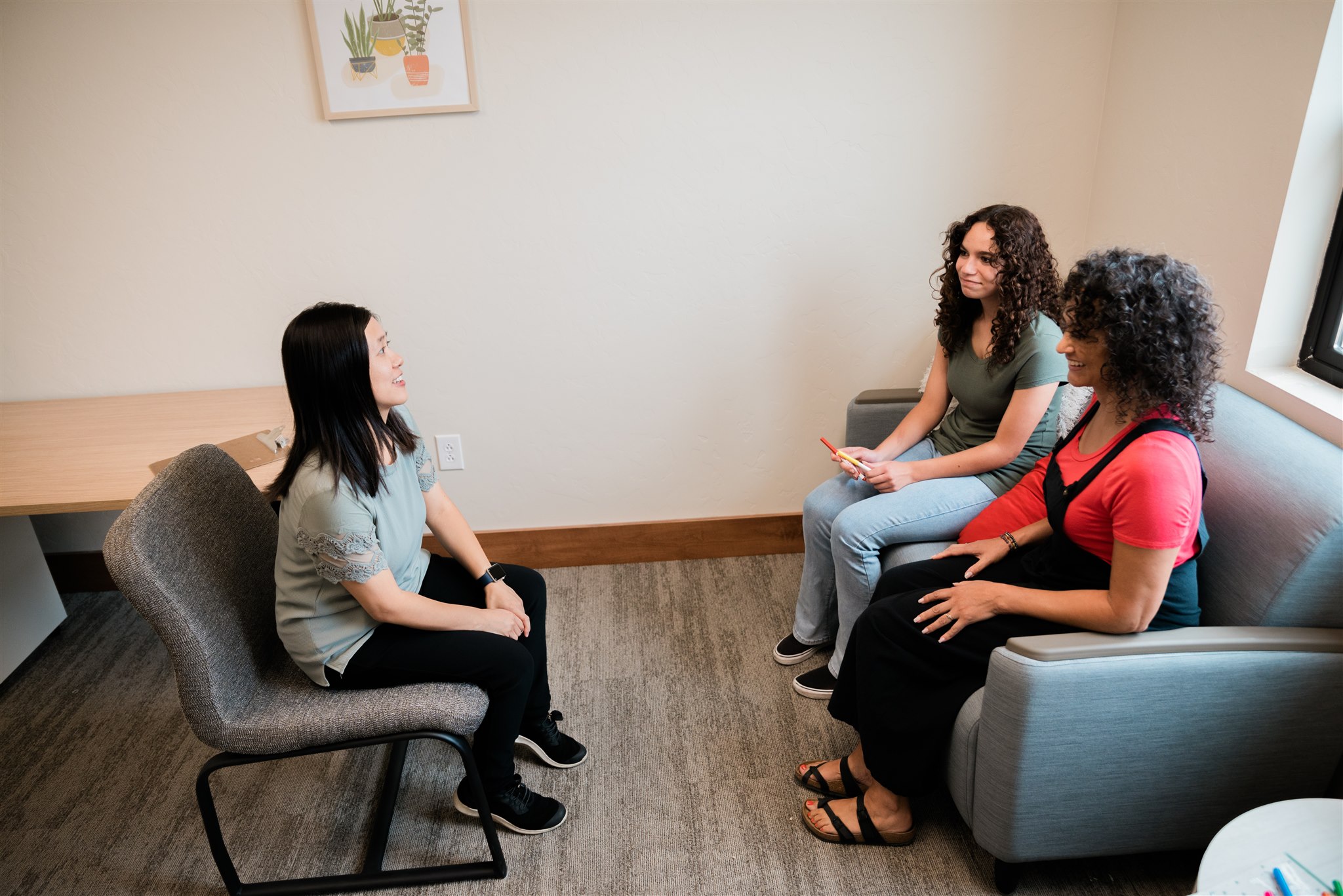
Family involvement is a core component of residential treatment where it is safe and appropriate. You’ll work with families as clinical partners in the treatment process: building skills, repairing relationships, and preparing for transitions out of residential care.
The Interdisciplinary Team
Residential therapy at Idaho Youth Ranch is not a solo practice. You’ll work within a treatment team that includes:
Residential Therapists. Your clinical peers. Regular peer consultation and shared clinical responsibility for the milieu.
Clinical Supervisors. Experienced supervisors with backgrounds in residential and trauma-informed care. Supervision is scheduled, substantive, and available when acute situations require it.
Nurses. On-site nursing staff who manage medical and psychiatric needs in coordination with the clinical team. Close clinical-nursing collaboration is the norm, not the exception.
Case Managers. Coordinate community connections, family contacts, school integration, and discharge planning. A critical partner in the full arc of a youth’s treatment.
Residential Care Staff. Direct care professionals who are present with youth throughout the day and evening. Their observations and relationships with youth are essential clinical data; you’ll collaborate with them closely.
Psychiatry / Medical Providers. Prescribers and medical staff involved in medication management and complex psychiatric presentations. You’ll coordinate directly on shared clients.
This team structure isn’t incidental; it’s the mechanism that makes residential therapy sustainable. Clinical decisions are shared. Acute situations are handled collectively. No one is carrying the full weight of a complex case in isolation.
Why residential therapy at Idaho Youth Ranch is different
Residential therapy is a demanding specialty. There are a lot of residential programs in Idaho. Here’s what makes this one worth the closer look.
- An interdisciplinary team that functions as a genuine clinical community, not a collection of siloed roles
- Caseloads structured for depth, not volume: you’ll know your clients, and your clinical judgment will matter
- Crisis protocols and safety systems that distribute acute demand rather than dumping it on individual clinicians
- Supervision that is substantive, scheduled, and led by people with real residential experience
- A trauma-informed staff culture that treats clinician sustainability as a program design principle
- Evidence-based modalities applied with clinical flexibility: TF-CBT, DBT-informed approaches, EMDR, and CBT
- A mission that has been real in Idaho since 1953; the youth you’re serving are exactly who Idaho Youth Ranch was built for
What to expect

Benefits
- Medical, dental, and vision insurance
- Paid time off and paid holidays
- 401(k) with 100% employer match up to 4%
- Paid training and continuing education, including CEUs
- Licensure support and clinical supervision toward advanced credentials
- Employee Assistance Program (EAP)
- Eligible employer for Public Service Loan Forgiveness (PSLF)
What we’re looking for
Required Qualifications
- LMSW, LCSW, LPC, LCPC, LMFT or Psy D. with licensure in Idaho (or eligible for reciprocity)
- Experience providing individual, group, or family therapy; residential or trauma-population experience preferred
- Familiarity with evidence-based modalities including TF-CBT, DBT, EMDR, or CBT
- Comfort working in a fast-moving, team-based clinical environment
- Strong clinical documentation skills
- Commitment to ethical, trauma-informed, relationship-centered practice
Talk with a clinical hiring specialist
Residential therapy is a significant clinical commitment, and the right fit matters for both you and the youth you’d serve. If you’d like to talk through whether this role aligns with your experience and goals, our clinical hiring team is glad to have that conversation before you apply.