The Hidden Toll
How This May Look in Everyday Life
What bullying can do to a teen's mental health over time
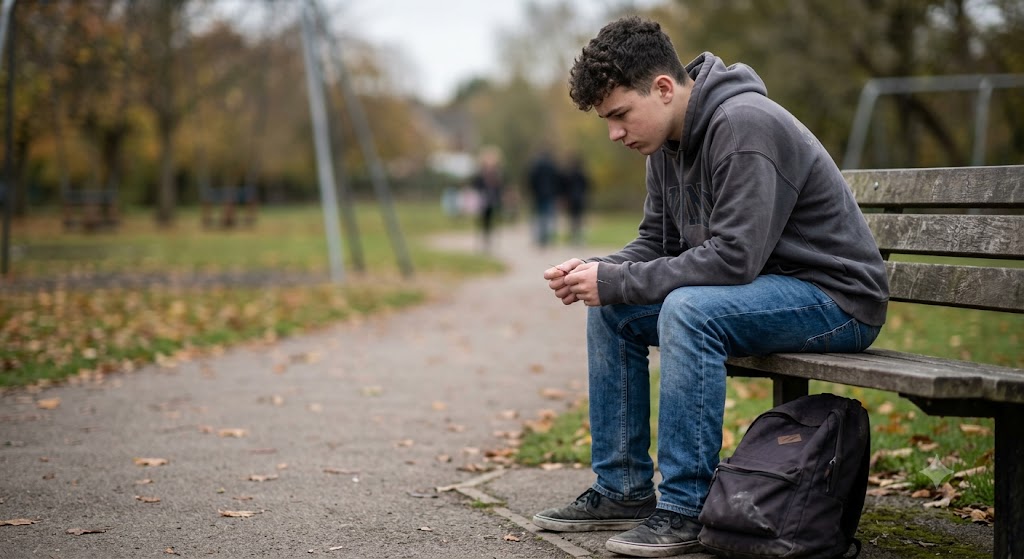
Before we talk about research and brain science, let's start with what you might actually be seeing at home. Parents of bullied teens commonly describe changes like these:
Avoiding school. Mysterious illnesses on school mornings. Asking to stay home. Dread on Sunday nights. Requests to change schedules or routes.
Sudden sadness or anxiety. Crying more easily. Seeming worried or on edge. Overreacting to small things. A heaviness that wasn't there before.
Not wanting to see friends. Turning down invitations. Spending more time alone. Losing a friend group without explanation. Eating lunch alone.
Sleep changes. Trouble falling asleep. Nightmares. Sleeping much more than usual. Lying awake replaying the day.
Stomachaches and headaches. Physical complaints that appear on school mornings and resolve on weekends. These are real stress responses — not faking.
More anger or shutdown at home. Snapping at siblings. Slamming doors. Refusing to talk. Or the opposite — going completely quiet, retreating to their room, seeming emotionally flat.
If several of these feel familiar, you may be watching the mental health impact of bullying unfold in real time. The sections below explain why these changes happen and what they mean.
The Mental Health Toll of Chronic Bullying
The everyday changes described above are not just bad moods. They are signs that chronic stress is affecting your teen's psychological functioning. Here is what the research tells us about how bullying damages mental health:
Anxiety. Bullied teens frequently develop persistent worry, social anxiety, or panic symptoms. A 2024 CDC data brief found that teenagers who were bullied were nearly twice as likely to experience anxiety symptoms compared to those who were not. The fear of being targeted again can become consuming, leading to avoidance of school, social situations, and activities.
Depression. Bullying significantly increases rates of depression, sadness, and loneliness. The same CDC study found that 28.5% of bullied teens experienced depressive symptoms in the past two weeks. Feelings of worthlessness and hopelessness can persist long after the bullying stops.
Low self-esteem and identity damage. Verbal and social bullying systematically erode a teen's sense of self. Repeated insults, exclusion, and humiliation reshape how teens see themselves. They may internalize the bully's messaging and develop deeply negative self-perception.
Trauma responses. Chronic bullying can be genuinely traumatic. Some teens develop PTSD-like symptoms: flashbacks, nightmares, hypervigilance, and emotional numbing. A 2025 study reported that even subtle online exclusion can trigger trauma responses comparable to physical threats.
Anger and behavioral changes. Some teens externalize the pain through increased aggression, defiance, and risk-taking. This can mask the underlying depression or trauma, making it harder for parents to see what is really happening.
Substance use. Bullied teens have higher rates of alcohol, marijuana, and other substance use. Self-medicating provides temporary escape but creates additional risks.
What Bullying Does to the Developing Brain
Research has revealed that chronic bullying creates measurable changes in the brain. Studies show differences in brain regions that regulate fear, anxiety, and social pain processing. Bullying trauma can alter stress hormone levels and disrupt neurological systems responsible for emotional regulation.
These brain changes help explain why the everyday behaviors described above persist — and why they do not resolve with simple reassurance. The disrupted stress response can last for years, making it harder for teens to cope with everyday challenges. Children bullied between ages 8–10 showed higher rates of depression, anxiety, and suicidal ideation at age 25.
The encouraging news is that the adolescent brain is remarkably resilient. With appropriate therapeutic support, teens can develop new coping pathways and heal from the neurological impact of chronic stress. Early intervention is key.
Bullying in Idaho: What the Data Shows
The 2021 Idaho Youth Risk Behavior Survey found that 21.3% of Idaho high school students reported being bullied on school property in the past 12 months. Rates were higher among female students (18.3%) compared to male students (13.9%). Additionally, 16.4% experienced electronic bullying through texting, chat rooms, or social media.
Nationally, a 2024 CDC data brief found that 34% of adolescents aged 12–17 experienced bullying, with younger teens (ages 12–14) reporting higher rates (38.4%) than older teens (29.7%). Girls were more affected than boys, and sexual or gender minority teens faced the highest rates at 47.1%.
Teens at Higher Risk
LGBTQ+ youth are significantly more likely to experience both in-person and online bullying. Research shows that lesbian, gay, and bisexual teens are nearly five times as likely to attempt suicide as heterosexual peers. Verbal bullying targeting sexual orientation raises suicide risk for all teens, regardless of their actual identity.
Teens with disabilities face higher rates of bullying and may have fewer resources for self-advocacy. Schools are required under IDEA and Section 504 to provide additional protections for students with IEPs or 504 plans.
Younger adolescents (ages 12–14) report higher bullying rates than older teens, and middle school is consistently identified as the peak period for bullying behavior.
If your teen belongs to any of these groups and is experiencing bullying, the mental health stakes are higher and earlier intervention is especially important.
Signs Bullying May Already Be Affecting Your Teen's Mental Health
Not every teen who is bullied develops a mental health condition. But when the everyday changes described at the top of this page persist for two weeks or more and represent a shift from your teen's baseline, the emotional impact has likely crossed a threshold. Watch especially for:
Persistence. Sadness, anxiety, or irritability that lasts more than two weeks without improvement.
Pervasiveness. Mood and behavior changes that show up across settings — home, school, friendships — not just in one context.
Functional impact. Declining grades, withdrawal from activities, loss of friendships, or inability to participate in everyday life.
Escalation. Symptoms getting worse over time rather than stabilizing or improving.
Danger signals. Expressions of hopelessness, worthlessness, self-harm, or any mention of wanting to disappear or die.
When to Seek Therapy
You do not need to wait for a crisis to get your teen professional help. Consider reaching out to a therapist if:
- The behavioral or emotional changes described above have lasted two weeks or more
- Your teen's mood, sleep, appetite, or social behavior represents a clear shift from their baseline
- You have tried supportive conversations at home and the situation is not improving
- Your teen has expressed hopelessness, worthlessness, or self-blame
- Consequences and behavioral approaches are not working — which may indicate the behavior is driven by depression or trauma rather than defiance
- Your teen is withdrawing from everything — not just school, but friends, family, and activities they used to enjoy
- You are walking on eggshells and the household rhythm is breaking down
- Your teen has mentioned self-harm, wanting to disappear, or not wanting to be alive
You do not need a diagnosis, a referral, or a clear picture of what's going on. Many families start therapy with exactly the kind of uncertainty you may be feeling right now. A professional can help determine whether what you are seeing is a rough patch or a developing mental health concern — and either way, your teen benefits from having a safe, neutral space to process what they are going through.
Early intervention does not mean overreacting. It means paying attention and acting before the damage deepens.
Sources: CDC NCHS Data Brief No. 514 (2024); Idaho Youth Risk Behavior Survey (2021); Pew Research Center (2018); Washington Post / cyberbullying-trauma research (2025).