







What Conditions Does TF-CBT Help With?
TF-CBT was developed for, and is most extensively studied with, pediatric trauma and its aftereffects. It has the strongest research evidence of any therapy for childhood and adolescent PTSD, and it is also effective for traumatic grief and trauma-related anxiety, depression, and behavioral changes. TF-CBT is not a primary treatment for self-harm or suicidal ideation directly, though when those concerns are downstream of unprocessed trauma, the trauma work itself often produces improvement. If you’re looking for help with those concerns directly, see the related resources further down this page.
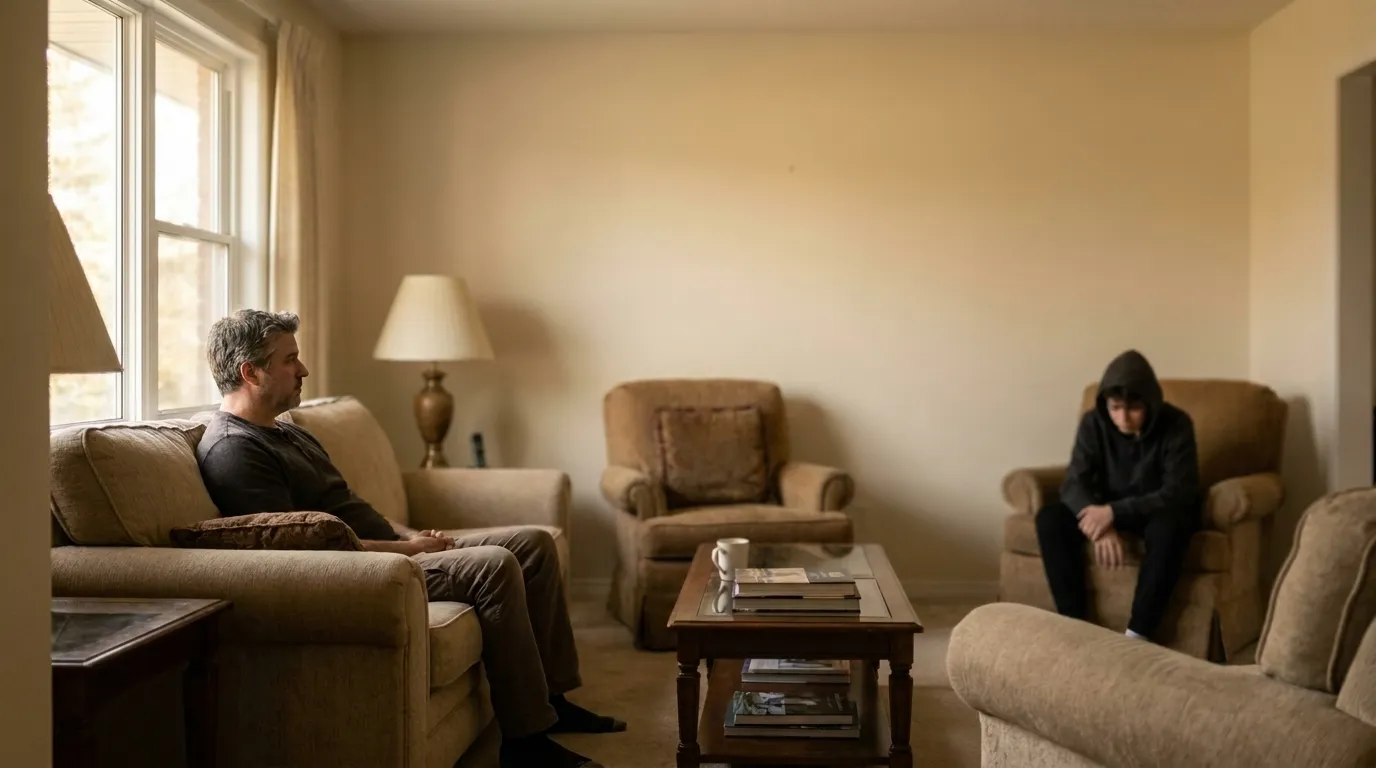
TF-CBT is most often the right choice when a specific traumatic event or pattern of traumatic experiences is the central driver of what your young person is going through. Parents often arrive at TF-CBT because their child or teen has shifted noticeably since something happened, new fears, withdrawn behavior, sleep changes, school refusal, sudden anger, or signs of PTSD. TF-CBT for childhood trauma works because it addresses the trauma directly and integrates the people who are most central to the child’s healing: their parents or caregivers.
Not Typically Used For
TF-CBT is not the strongest first choice when anxiety, depression, or behavior concerns are present without a clear trauma history, CBT is typically a better fit in those cases. It is also not the first-line approach for intense emotion dysregulation, self-harm, or chronic crisis patterns where the central issue is regulation rather than unprocessed trauma, DBT is typically better suited there. For active psychosis, severe substance use affecting safety, or active medical instability, stabilization comes first.