EMDR sessions follow a fairly predictable arc, though every teen moves through it at their own pace.
First Session / Assessment
The first session is conversation, not memory work. Your teen meets with an Idaho Youth Ranch clinician who asks about what’s been going on, what brought you in, and what your teen hopes might change. The clinician explains what EMDR is and what it isn’t, and answers any questions. There’s no expectation that your teen will share traumatic details on day one, or any day, really. EMDR doesn’t require it. Most first sessions last 60 to 90 minutes. Some young people leave the first session feeling relieved; others feel guarded. Both are normal.
Early Sessions
The next few sessions focus on building safety and skill. The clinician teaches your teen specific tools for handling emotional intensity, grounding through the five senses, slow breathing, imagining a calm place, and noticing what’s happening in their body. These tools are not optional; they’re what makes the deeper EMDR work possible later. The clinician also continues to learn about your teen as a whole person, their strengths, their support system, what they care about. This phase can take a single session or several. Some teens are eager to start the active work; others need more time. Both paces are okay.
Middle Sessions
Once preparation is solid, your teen and the clinician begin processing specific memories. Each session has a similar structure: a quick check-in, identifying the memory and beliefs to work on, several rounds of bilateral stimulation while briefly holding the memory in mind, frequent check-ins between rounds, and a calming close. Sets of bilateral stimulation are short, usually 30 to 60 seconds, and your teen is in control. If something feels like too much, they can pause. Sessions typically last 60 to 90 minutes. Some memories shift quickly; others need more time.
Later Sessions
As the most intense memories lose their charge, sessions become more about integration, what does it mean for your teen to no longer be defined by what happened? New, more accurate beliefs about themselves grow stronger. Old triggers may still surface occasionally but don’t take over the way they used to. The clinician and your teen begin spacing sessions out, checking in less frequently. Eventually, they work together on what ending therapy will look like, a planned conclusion, not an abrupt one, with tools your teen can carry forward.
Parent/Caregiver Role
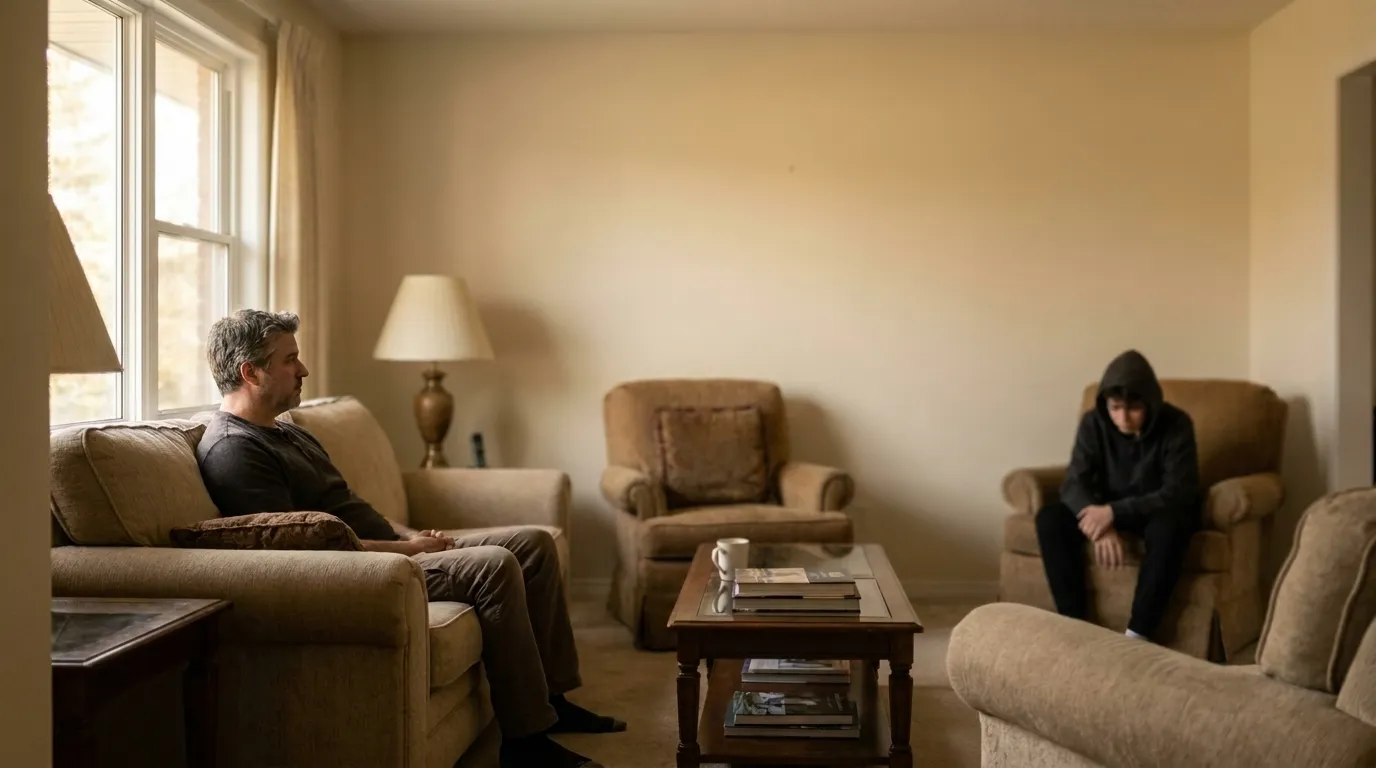
Most of the EMDR work happens between your teen and the clinician. You may be invited into the first session for context, asked to attend occasional family or check-in sessions, and kept informed about progress in general terms. You typically do not sit in on the active memory processing, your teen needs that to be their own space. Between sessions, you may notice your teen is quieter than usual, more tired, or more emotional. Your job is mostly to keep home steady, predictable routines, low-pressure check-ins, the option of closeness without pressure to talk.
Between-Session Practice
EMDR has no traditional homework. Your teen isn’t asked to write thought records or complete worksheets between sessions. What the clinician may suggest is light: noticing what’s coming up, using the grounding skills they’ve learned if a memory surfaces, and getting good sleep. Some teens find their dreams more vivid in the days after a desensitization session. This can happen after EMDR and is worth noting, it does not automatically mean therapy is going badly. If anything feels overwhelming between sessions, or if effects last more than a couple of days, your teen, or you, can reach the clinician’s office.