Nursing with more room to matter.
Hospital nursing is fast, demanding, and important — and for many RNs, it eventually starts to feel like there’s never enough time to actually know your patients. Residential nursing at Idaho Youth Ranch is different. You’ll still use your full clinical skill set. But you’ll use it in a setting where relationships have time to develop, where your observations genuinely shape treatment, and where the team around you includes therapists, case managers, and clinical supervisors who see nurses as partners in care — not just medication managers.
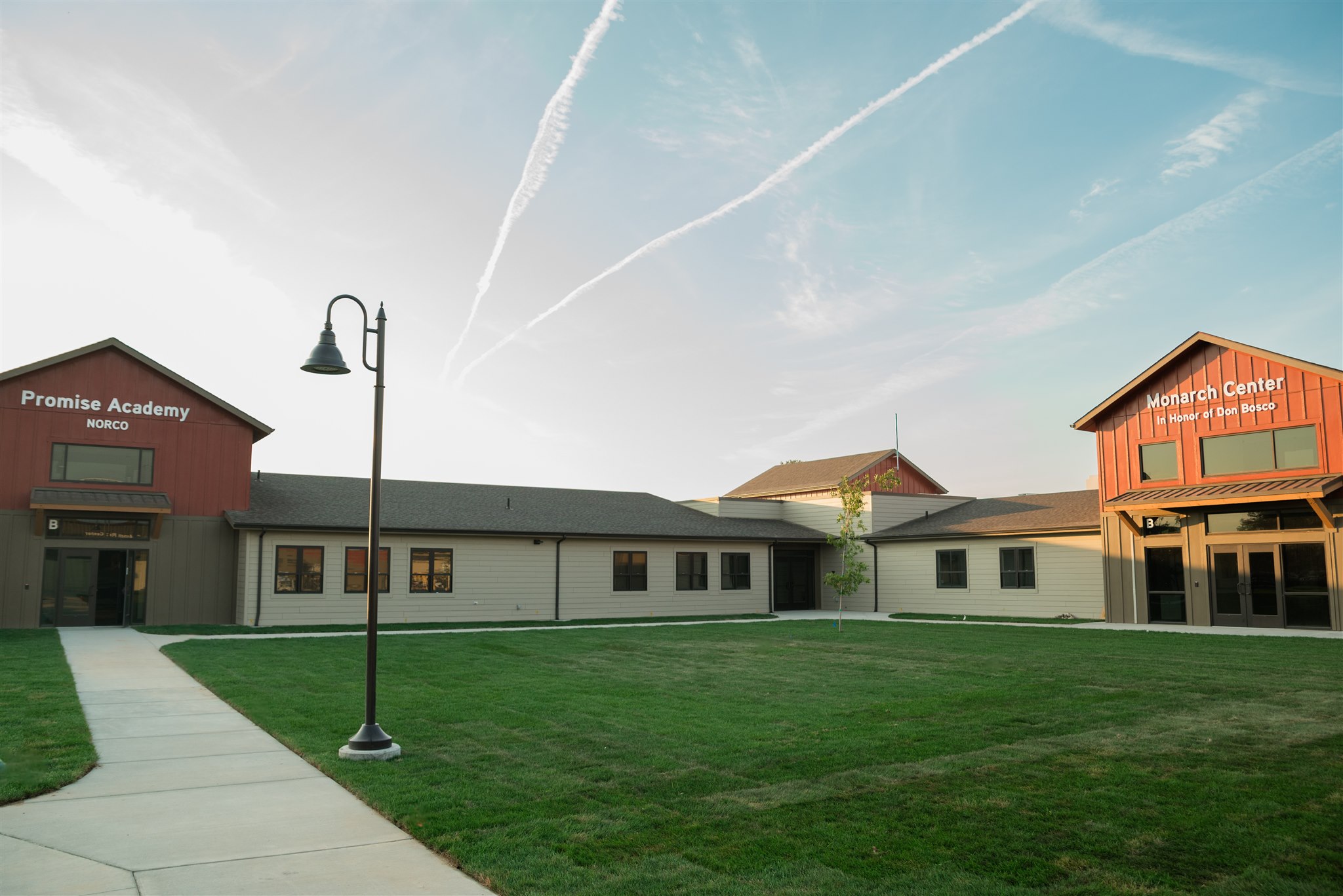
This is a 3x12 schedule at IYR’s Residential Center for Healing and Resilience in Boise — a licensed behavioral health facility serving youth navigating complex trauma, mental health challenges, and behavioral health needs. No behavioral health background required. What matters is your nursing skill, your steadiness under pressure, and your genuine interest in the youth you’d be caring for.

WHAT THIS ROLE IS
The work, honestly described
Select a topic to begin:
Supervision and consultation, built in
A DAY IN THE LIFE
What a 12-hour shift looks like
No two shifts are identical in a residential setting. But here’s what a representative day shift tends to look like.
7:00 – 7:30 AM
Shift handoff from overnight nursing staff. Review of any acute developments, current medication statuses, health concerns, and flagged observations from residential care staff. This is your clinical orientation to the day.
7:30 – 9:00 AM
Morning medication administration. Individual health check-ins with youth as appropriate. Documentation of vitals, observations, and any relevant changes.
9:00 – 11:00 AM
Health assessments, care coordination, and follow-up. Communication with outside medical providers, pharmacy contacts, or psychiatric staff as needed. Documentation continues alongside clinical work.
11:00 – 12:00 PM
Treatment team check-in or documentation block. Share relevant clinical observations with therapists and case managers. This is where nursing and clinical work intersect most directly.
12:00 – 1:00 PM
Lunch. A genuine break.
1:00 – 3:00 PM
Afternoon health monitoring, follow-up assessments, and response to any acute needs that have developed during the day. Residential settings involve unpredictability — this block often looks different from what was planned.
3:00 – 5:00 PM
Afternoon medication administration. Documentation review and completion. Coordination with incoming evening shift.
5:00 – 7:00 PM
End-of-shift documentation, handoff preparation, and shift-change report to incoming nursing staff. Clean transitions are built into the workflow.
Acute behavioral health situations will occasionally reshape your shift. IYR has clear safety protocols and escalation pathways, and residential care staff are present with youth throughout the day. You won’t be responding to crises alone, and clinical support from the broader team is accessible when you need it.

Outpatient Therapist
Residential Therapist
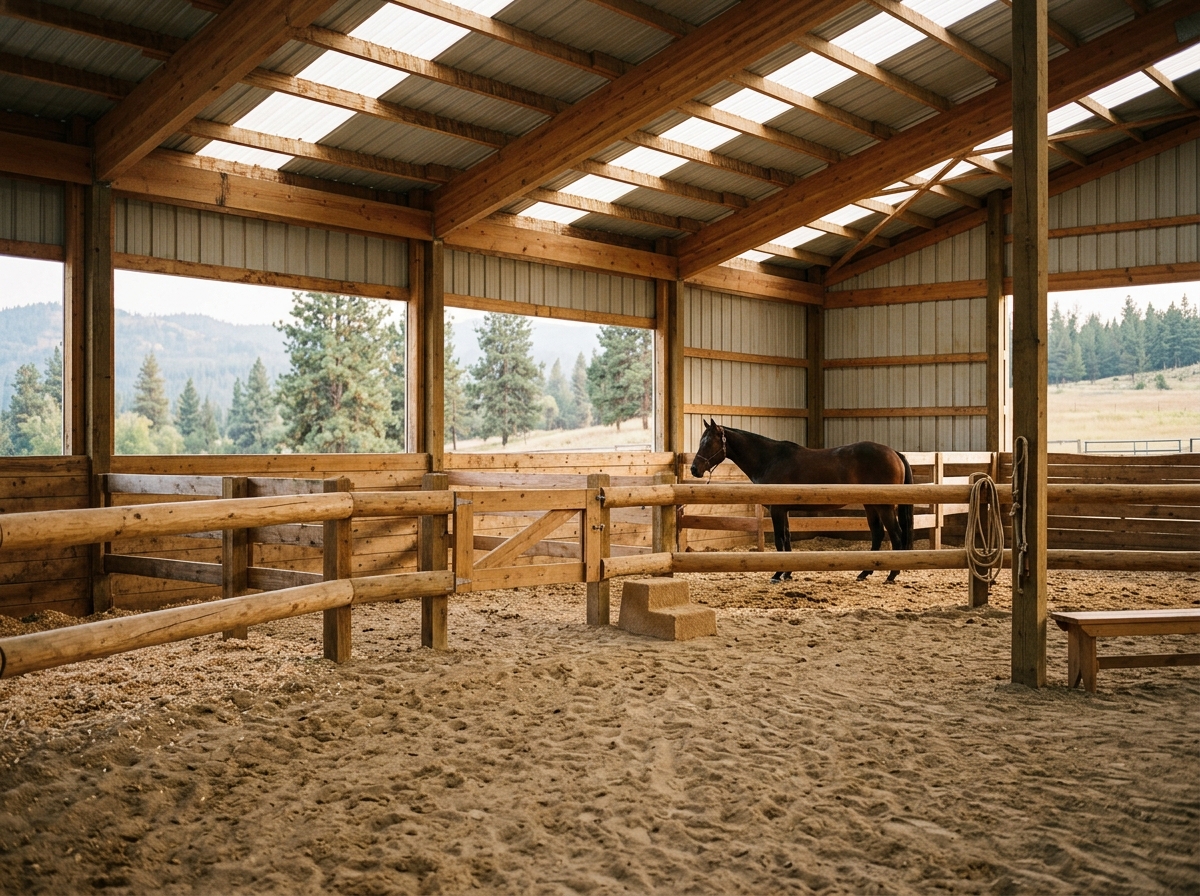
Equine Therapist
WHO YOU’D WORK WITH
Your team and your patients
Select a topic to begin:
The Youth
Youth at IYR’s Residential Centerare adolescents who have experienced significant trauma, complex familydisruption, or behavioral health challenges that require structured, intensivecare. Their medical and psychiatric needs are real — medication management isoften complex, health histories are varied, and the connection between physicaland emotional wellbeing is something you’ll see clearly in this population.
Many youth in residential carehave had difficult relationships with adults and institutions. Your steadiness,consistency, and genuine care as a nurse will matter to them in ways thatextend well beyond the clinical tasks you’re performing.
The Interdisciplinary Team
Residential nursing at IYR isembedded in a treatment team, not separated from it. You’ll work alongside:
ResidentialTherapists
Your closest clinical partners. Therapists carry individual caseloads and lead treatment planning — your nursing observations directly inform their clinical work.
Clinical Supervisors
Experienced leaders with backgrounds in residential and trauma-informed care. Accessible for clinical consultation when situations require it.
Psychiatry /Prescribing Providers
You’ll coordinate closely on medication management, psychiatric assessments, and changes to psychiatric treatment. This relationship is central to the nursing role.
Case Managers
Coordinate community connections, family contacts, and discharge planning. A key partner when medical needs intersect with transition planning.
Residential Care Staff
Direct care professionals present with youth throughout the day and overnight. Their observations are frontline clinical data — you’ll communicate with them regularly about health concerns and behavioral changes.
WHAT SETS THIS ROLE APART
Why residential nursing at IYR is different
Select a topic to begin:
3x12-hour shifts
Relational continuity with patients
Real clinical team integration
No behavioral health background required
Regardless of setting, here’s what you can count on
Supervision That’s Worth Something
Caseloads Designed for Clinical Depth
A Trauma-Informed Team Culture
Paid Training & Continuing Education
Clinical excellence at Idaho Youth Ranch
- Clinical supervisors with advanced training in trauma-informed care and youth behavioral health
- Primary modalities including TF-CBT, DBT-informed care, EMDR, and CBT, applied with clinical judgment across settings
- Structured treatment planning with regular review and measurable progress tracking
- Ongoing clinical consultation integrated into standard workflow, not reserved for crisis
- A residential program operating within a licensed behavioral health framework with clearly defined clinical standards
- An Equine-Assisted Psychotherapy program operating under EAGALA’s clinical model, one of the few fully integrated Equine-Assisted Psychotherapy programs in Idaho